
Hakone Shrine | An Iconic Landmark of Hakone
When it comes to must-visit attractions in Hakone, Hakone Shrine without a doubt ranks right at the top! Boasting over 1,200 years of history, Hakone Shrine has long served as a vital spiritual sanctuary in the Kanto region. Deeply revered by emperors, samurai commanders, and commoners alike throughout the ages, its idyllic setting along the tranquil shores of Lake Ashi continues to captivate countless travelers from around the world each year.
In this guide, I will walk you through Hakone Shrine's transportation, must-see highlights, recommended walking routes, local gourmet spots, and festive celebrations, giving you a comprehensive yet effortless blueprint for exploring this timeless spiritual wonder!

1. How to Get to Hakone Shrine
To reach Hakone Shrine from Tokyo, take a train from Shinjuku Station to Hakone-Yumoto Station first, and then transfer to a local bus heading towards Lake Ashi. Here is the detailed breakdown of routes, schedules, and fares for each leg:
1. Shinjuku → Hakone-Yumoto
- Limited Express Train (Odakyu Romancecar): Runs directly from Shinjuku Station to Hakone-Yumoto Station in about 75 minutes. The fare is ¥2,470, with departures every 30 to 60 minutes. Ideal for travelers who prioritize travel time, convenience, and maximum comfort.
- Local / Rapid Express Train (Odakyu Line): Departs Shinjuku Station toward Odawara Station, where you transfer to the Hakone Tozan Railway to reach Hakone-Yumoto Station. Total travel time is approximately 105 minutes and costs ¥1,470, with departures roughly every 20 minutes. Perfect for budget-conscious travelers comfortable with an easy transfer.
◎ Timetables: Romancecar | Route Search System | Odakyu Line | Hakone Tozan Railway

(The lead car of select Odakyu Romancecar trains features a unique observation deck with sweeping panoramic windows, offering travelers breathtaking views of the shifting landscape from vibrant metropolis to serene mountains. As you can imagine, these seats are extremely popular and sell out fast! Note that all Romancecar seats require advance seat reservations with no unreserved seating.)

(If you opt for standard Odakyu commuter trains, alight at Odawara Station and transfer to the Hakone Tozan Railway towards the final stop at Hakone-Yumoto Station. The transfer is seamless—simply walk 1 to 2 minutes forward along the same platform and follow the bilingual signs for "Hakone Tozan Railway / Hakone Tozan Train".)
2. Hakone-Yumoto → Hakone Shrine
From Hakone-Yumoto Station, the most convenient way is boarding the Hakone Tozan Bus route Line H or express route Line R to the "Moto-Hakone-ko" (Moto-Hakone Port) stop, followed by a scenic walk to the shrine. Travel times are roughly 35 minutes and 25 minutes respectively, both costing ¥1,080 one-way, running every 20 to 30 minutes.
If you are heading to Hakone Shrine from other parts of the Hakone region, you can utilize the official "Hakone Route Search System" to easily look up real-time timetables, connection routes, travel durations, and fare estimates!

(The Hakone-Yumoto Bus Stop is situated directly opposite the train station, easily accessible across the overhead pedestrian footbridge.)

(Upon arriving at the Moto-Hakone-ko stop, you will spot a grand vermilion Torii gate towering over the road. Follow the nearby direction signs or stroll through Jinja-dori Shopping Street, and you will arrive at the entrance of Hakone Shrine in roughly 10 minutes.)
◎ Hakone Freepass
If you want to maximize your travel savings, purchasing the official Hakone Freepass is highly recommended. It covers unlimited rides on 8 major transportation networks across Hakone for consecutive 2-day or 3-day validity, includes round-trip Odakyu Line train rides from Tokyo, and grants exclusive admission discounts at approximately 70 attractions throughout the region.
In short, all transit options mentioned above (with the sole exception of the Romancecar limited express surcharge seat upgrade) can be boarded freely using the Hakone Freepass. Simply flash the pass when boarding local buses, ropeways, funicular cable cars, or sightseeing cruise ships for an effortless, stress-free journey.
◎ Pricing: 2-Day Pass: ¥7,100 for adults, ¥1,600 for children; 3-Day Pass: ¥7,500 for adults, ¥1,850 for children (Departing from Shinjuku Station; fares vary depending on departure stations, check the Official Website)
◎ Purchase Locations: All Odakyu Line ticket counters, Odakyu Sightseeing Service Center, Hakone-Yumoto Station, ticket vending machines, or digitally via the EMot digital ticket platform (Complete sales point list)
◎ Budget Booking Tips: Discounted Hakone Freepass Option 1 | Discounted Hakone Freepass Option 2

(I personally toured Hakone with a 2-Day Hakone Freepass—over 90% of all public transit in the region is covered seamlessly, making getting around exceptionally convenient.)
Lastly, another hassle-free alternative is joining a guided day tour departing directly from central Tokyo, such as the Mount Fuji & Hakone Day Tour or the Fuji & Hakone Highlights Day Trip. These curated tours eliminate transit planning entirely—simply hop on the coach and enjoy the sights!
2. Top Sights & Things to Do at Hakone Shrine
As mentioned earlier, after hopping off at Moto-Hakone-ko, strolling along Jinja-dori brings you directly to Hakone Shrine while passing charming shops along the way. This is the classic exploration route for Hakone Shrine, which typically takes around 2 to 3 hours.
Within Hakone Shrine, the primary sights include the Main Approach (Omotesando), the Main Hall (Honden), Kuzuryu Shrine Shingu, the Floating Heiwa no Torii (Torii of Peace), and the Treasure Museum (Homotsuden). Let's take a closer look at what each highlight has to offer!

1. The Main Approach (Omotesando)
Formed by a dramatic flight of 90 stone steps, the Main Approach leads worshipers upward into the sacred inner precinct. Flanked on both sides by towering Japanese cedar trees over 600 years old, this majestic stairway forms one of Hakone Shrine's most iconic vistas. Walking under the fragrant canopy filled with phytoncides is believed to cleanse bad luck as you climb. Note that during winter mornings, the stone steps can become icy and slick, so sturdy footwear with good grip is highly recommended.

(Before climbing the stone staircase, you will encounter the Temizuya water purification font, where visitors cleanse hands and mouth in traditional Shinto etiquette prior to prayer.)


(The main stone stairs are reasonably steep and require a bit of stamina. For travelers with strollers or mobility concerns, you can access the Main Hall via the gentler side path (Wakisando) or take the barrier-free elevator accessible from Parking Lot No. 3.)
2. Hakone Shrine Main Hall (Honden)
The main sanctuary enshrines three revered Shinto deities—Ninigi-no-Mikoto, Konohanasakuya-hime, and Hikohohodemi-no-Mikoto—collectively honored as "Hakone Okami". Worshippers pray here for fortune, warding off misfortune, traffic safety, and triumph in endeavors. Throughout Japanese history, prominent samurai warlords such as Minamoto no Yoritomo and Tokugawa Ieyasu offered heartfelt prayers here for martial victory and divine protection, making it the most sacred core of the complex.


(The shrine office beside the main hall offers over 40 varieties of protective omamori amulets for traffic safety, victory, and wish fulfillment. They also issue beautifully scripted Goshuin calligraphy stamps with multilingual explanations including Traditional Chinese, making wonderful travel keepsakes.)

(Please be mindful that photography is strictly prohibited inside the inner sanctuary.)
3. Kuzuryu Shrine Shingu (New Shrine)
Located right next to the Main Hall, Kuzuryu Shrine Shingu is dedicated to the Nine-Headed Dragon God (Kuzuryu Okami), widely celebrated for bestowing wealth, thriving business prosperity, and fruitful romantic matchmaking (enmusubi). The monthly festival held on the 15th of each month draws a faithful following praying for love and good fortune.

(In front of Kuzuryu Shrine Shingu sits the Ryujinsui (Dragon God Spring), considered sacred purifying water believed to bring auspicious luck. Visitors are welcome to fill their personal water bottles freely. If you do not have one, you can purchase a designated commemorative bottle for ¥100 at the shrine counter to carry this blessed water home.)
4. Heiwa no Torii (Torii of Peace)
Erected inside the shimmering waters of Lake Ashi in 1952 to commemorate the San Francisco Peace Treaty and the investiture of the Crown Prince, this vermilion gate is Hakone's premier postcard scene. With its breathtaking backdrop of gentle ripples and dense forest, it has become an Instagram sensation worldwide and an absolute must-photograph spot for those seeking surreal, storybook imagery.


(Due to its viral internet fame, long queues form every single day. When I arrived around 2:00 PM, the wait time was roughly 60 minutes. Due to my afternoon schedule, I chose to admire it from the side instead. If you want to snap that iconic solo shot, I strongly advise arriving early in the morning when crowds are thin and the glassy lake reflections are at their most enchanting.)

(If you embark on the Hakone Sightseeing Cruise or stroll gently along the Lake Ashi shore, you will enjoy unique perspectives framing the Torii of Peace against Mount Fuji and the lush cedar groves—Hakone truly is magical!)
5. The Treasure Museum (Homotsuden)
The Treasure Museum houses over 200 ancient artifacts, temple treasures, and designated Important Cultural Properties belonging to Hakone Shrine. Collections encompass classical wood carvings, paintings, historic documents, samurai blades, and ritual paraphernalia. Rotating seasonal samurai sword exhibitions offer fascinating insight into the millennium-old ties between Hakone Shrine, Shinto spirituality, and samurai martial heritage.
◎ Admission: ¥500 for adults (junior high school and above), ¥300 for elementary school children
◎ Opening Hours: 9:00 AM – 4:30 PM

(The Treasure Museum is the only ticketed facility inside Hakone Shrine. I recommend visiting if you have ample time and an appetite for deep cultural and historical exploration.)
6. Jinja-dori Shopping Street
Lining the lakeside route to Hakone Shrine, Jinja-dori is a charming street brimming with boutique shops, traditional tea houses, and modern bakeries. Visitors can savor regional specialties, pick up handcrafted souvenirs and amulets, or take a peaceful stroll along the adjacent Lake Ashi promenade, soaking in the serene mountain breeze.


(Jinja-dori serves as an ideal "opening" or "finale" for your Hakone Shrine excursion. It pairs seamlessly with meal breaks or souvenir shopping, and if you plan to board the Hakone Sightseeing Cruise at the harbor, it offers a delightful setting to pass the time while awaiting departure.)
3. Where to Eat Near Hakone Shrine
As noted, the majority of cafes, food stalls, and scenic restaurants cluster around Jinja-dori. Below are 3 standout gourmet recommendations worth stopping by, whether you crave a relaxed lakeside meal or a delightful artisanal snack!
1. La Terrazza Ashinoko
After sampling traditional Japanese fare, treat yourself to lakeside Italian dining! Situated directly on the shores of Lake Ashi, this airy restaurant serves authentic Neapolitan pizzas baked in an imported Italian wood-fired oven. Offering over 30 pizza varieties along with pasta dishes incorporating fresh Hakone vegetables and local ingredients, it is the premier choice for dining with unobstructed lake panoramas.

(Photo by Tabi Urara)
2. Bakery & Table
This popular three-story artisanal bakery features renowned signatures like the Bread & Soft Serve Ice Cream Set drizzled with golden honey, as well as their award-winning Curry Rice-Flour Doughnut. Alongside a tempting variety of freshly baked breads, sandwiches, burgers, and specialty coffees, the outdoor deck features a complimentary thermal footbath (ashiyu), allowing you to soothe your tired feet in hot spring water while gazing out across serene Lake Ashi!

(Photo by Bakery & Table)
3. Hakone Cheese Terrace
While still a hidden gem online, this charming shop consistently draws bustling queues of local sweet-lovers. Specializing in handcrafted cheese delicacies made from locally sourced milk, their mini cheesecakes, drinkable cheesecakes, and rich cheese soft-serve ice cream are top sellers. With an unforgettable velvety texture, their treats make wonderful grab-and-go snacks or thoughtful gifts to take home!


4. Hakone Shrine Annual Festivals (Lake Ashi Summer Festival Week)
Hakone Shrine hosts various solemn Shinto ceremonies throughout the year, but the grandest by far is the weeklong Lake Ashi Summer Festival Week, held annually from July 31 to August 5 or 6. Each day features unique festive rites expressing heartfelt gratitude and prayers to Hakone Okami (the mountain deity) and Kuzuryu Okami (the dragon water deity).
The undisputed highlights of the festival are the spectacular fireworks displays held during the Opening Ceremony (Kosui Matsuri / Lake Water Festival) and the Closing Ceremony (Torii Yaki Matsuri / Burning Torii Festival), alongside nightly fireworks throughout the week. Over 5,000 fireworks illuminate the evening sky above Lake Ashi, while glowing lanterns float across the water to create an ethereal dreamscape, flanked by vibrant festival food stalls. If your summer travels align with this period, experiencing an evening here is a must!
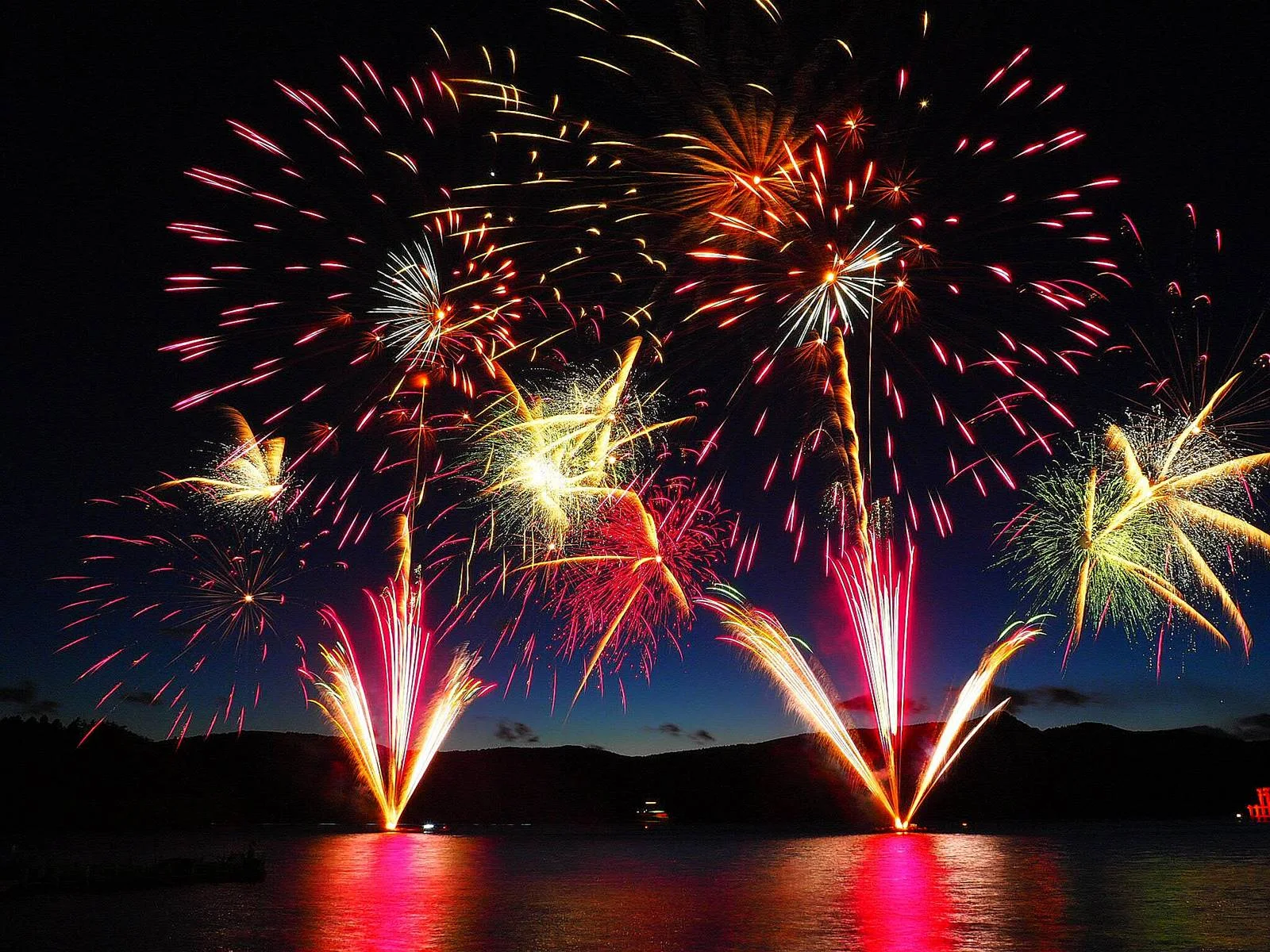
(In addition to watching the fireworks from the lake promenade while savoring festival street food, you can book a seat aboard the special Fireworks Spectator Cruise, which operates on the Hakone Sightseeing Cruise pirate ship directly into the center of the lake. Tickets cost approximately ¥3,500 [not covered by the Hakone Freepass]. Because seating is limited and heavily sought after, reservations typically open around June on their official website.)
And that wraps up our guide to Hakone Shrine! As one of the most quintessential highlights of Hakone, its sacred atmosphere, lakeside torii, and centuries of history make it unforgettable. You can easily pair it with nearby landmarks such as the Hakone Checkpoint, Owakudani, and a voyage across Lake Ashi (Hakone Sightseeing Cruise) to craft a truly memorable half-day or full-day itinerary. Immerse yourself and feel the genuine magic of Hakone!