
Japan IC Cards | Comprehensive Guide to the 10 Major Transit Cards
For travelers planning their first independent trip to Japan, you will quickly notice an array of regional transit IC cards (similar to contactless transit cards worldwide). These cards let you easily ride trains, subways, and buses, and can even be used for purchases at convenience stores, vending machines, select attractions, and restaurants. But which IC card should you actually buy? Are there significant differences among them?
The good news is that Japan has integrated its major regional transit IC cards under a nationwide interoperability network. This means they are largely mutually compatible across regions, so the practical differences for typical travel are minor. However, specific operational rules, refund policies, and subtle regional limitations still apply.
In this guide, I will introduce Japan's 10 major transit IC cards—covering their coverage areas, top-up methods, refund terms, validity periods, and more—along with a comparison chart and frequently asked questions to help you navigate Japan's transit card system smoothly!

(There are currently 10 major transit IC cards available across Japan: Suica, PASMO, ICOCA, TOICA, Kitaca, manaca, nimoca, SUGOCA, Hayakaken, and PiTaPa.)
1. Suica
Issued by JR East, Suica is Japan's most widely used and recognizable transit IC card. Its primary coverage spans JR train lines, subways, buses, and selected Shinkansen routes across Tokyo and the broader Kanto region. Thanks to nationwide interoperability, it is accepted on transit systems almost everywhere in Japan.
Beyond transportation, Suica doubles as an e-wallet accepted at convenience stores, vending machines, supermarkets, restaurants, and selected attractions, and supports digital card integration via Apple Pay and Google Wallet. In addition, JR East offers the deposit-free "Welcome Suica" specifically designed for short-term foreign visitors with a 28-day validity, though please note that Welcome Suica cannot be refunded.
◎ Initial Deposit: 500 yen (standard card); deposit-free for Welcome Suica
◎ Recharge Amount: 1,000–20,000 yen
◎ Where to Buy: JR East stations, Narita/Haneda Airport ticket vending machines and service centers, Klook, KKday, etc.
◎ Refund Policy: Standard Suica: Refundable at JR East ticket offices (Midori no Madoguchi) for the deposit plus remaining balance, minus a 220-yen processing fee if the remaining balance exceeds 220 yen; Welcome Suica: Non-refundable.
◎ Notes: Cannot be used continuously across separate regional service zones (e.g., Tokyo directly to Osaka on local lines); Welcome Suica is non-refundable and not available as a smartphone digital card; available in registered and unregistered versions (the only difference being replacement eligibility if lost).

2. PASMO
Launched in 2007 by private railway and bus operators in the Tokyo metropolitan area, PASMO works very similarly to Suica. It primarily covers Tokyo Metro, Toei Subway, Keio, Odakyu, Tokyu, and other non-JR railway lines, alongside an extensive municipal and highway bus network. Today, PASMO and Suica feature complete interoperability, allowing travelers to transfer between private railways and JR lines seamlessly.
Furthermore, PASMO supports Apple Wallet/Google Wallet integration and electronic micropayments. Limited-edition character collaborations (such as Hello Kitty or anime-themed designs) are occasionally released, making them popular keepsakes.
◎ Initial Deposit: 500 yen
◎ Recharge Amount: 1,000–20,000 yen
◎ Where to Buy: Ticket vending machines and customer service counters across 28 participating transport operators, including Tokyo Metro, Toei Subway, and Keisei Electric Railway
◎ Refund Policy: Refundable at PASMO operator counters for the deposit and remaining balance, minus a 220-yen handling fee if the balance exceeds 220 yen
◎ Notes: No deposit-free tourist version; available as registered and unregistered cards (differing only in replacement eligibility if lost); continuous cross-zone travel is not permitted (e.g., Tokyo to Osaka).

(In day-to-day use, PASMO and Suica are practically interchangeable. However, if your itinerary heavily relies on private railway networks in Kanto—especially lesser-known suburban branches—PASMO can be particularly convenient.)
3. ICOCA (Kansai Region)
Issued by JR West in 2003, ICOCA primarily covers Osaka, Kyoto, Kobe, Nara, Wakayama, Okayama, Hiroshima, and the broader Kansai and Chugoku regions. Beyond JR lines, it works on private railways, subways, and municipal buses throughout Kansai, supports mobile integration with Apple Pay and Google Wallet, and handles small retail payments—making it the go-to transit IC card for travelers heading to Kansai.
◎ Initial Deposit: 500 yen
◎ Recharge Amount: 1,000–20,000 yen
◎ Where to Buy: JR West station ticket offices, automated ticket vending machines, Kansai International Airport, etc.
◎ Refund Policy: Refundable at JR West ticket counters for the deposit plus remaining balance, minus a 220-yen processing fee if the balance exceeds 220 yen
◎ Notes: No deposit-free tourist edition; cannot be tapped directly at Shinkansen gates or used continuously across distinct operating zones (e.g., taking local commuter trains from JR West Osaka to JR East Tokyo on a single card tap).

(ICOCA is fully compatible with Suica, PASMO, and other major nationwide IC cards. Its adorable mascot, "Ico the Platypus," gives the card instant charm and recognition.)
4. TOICA (Chubu / Nagoya Region)
Issued by JR Central (JR Tokai) in 2006, TOICA primarily covers Nagoya and the wider Aichi and Shizuoka prefectures in central Japan. It can be used across local rail networks, subways, and buses, as well as at many convenience stores, vending machines, and local shops, serving as the primary transit card for Central Japan.
◎ Initial Deposit: 500 yen
◎ Recharge Amount: 1,000–20,000 yen
◎ Where to Buy: JR Central station automated ticket machines, ticket counters, Aichi Loop Railway commuter pass offices, etc.
◎ Refund Policy: Available exclusively at JR Central ticket offices (Midori no Madoguchi) at TOICA-participating stations; a 220-yen fee applies if the remaining balance exceeds 220 yen
◎ Notes: No deposit-free tourist version; cannot be used continuously across operational areas (e.g., riding local trains directly from Nagoya in JR Central to Tokyo in JR East on a single card swipe).

(TOICA features an understated, simple design with cheerful chick mascots. Although there is no tourist-specific variant, it is a fast and hassle-free payment tool for exploring Nagoya, Hamamatsu, and Shizuoka.)
5. Kitaca (Hokkaido Region)
Introduced by JR Hokkaido in 2008, Kitaca is the primary transit IC card for Hokkaido. It covers JR train lines, municipal streetcars, city buses, and the subway system centered around Sapporo. Starting in 2024, its operational range expanded to key travel hubs including Hakodate and Asahikawa. Kitaca also supports retail payments at convenience stores (such as 7-Eleven and Lawson), supermarkets, restaurants, and vending machines—saving you from fumbling for cold metal coins in the freezing Hokkaido winter!
◎ Initial Deposit: 500 yen
◎ Recharge Amount: 1,000–20,000 yen
◎ Where to Buy: JR Hokkaido ticket counters (Midori no Madoguchi) and Kitaca-enabled vending machines within the Kitaca service area
◎ Refund Policy: Processed at JR Hokkaido ticket windows; a 220-yen fee is deducted if the remaining balance exceeds 220 yen
◎ Notes: Divided into the "Sapporo/Asahikawa Area" and the "Hakodate Area" with no continuous cross-zone travel allowed between them (e.g., tapping in at Sapporo and tapping out at Hakodate is not supported); no deposit-free tourist card; available in registered and unregistered formats.
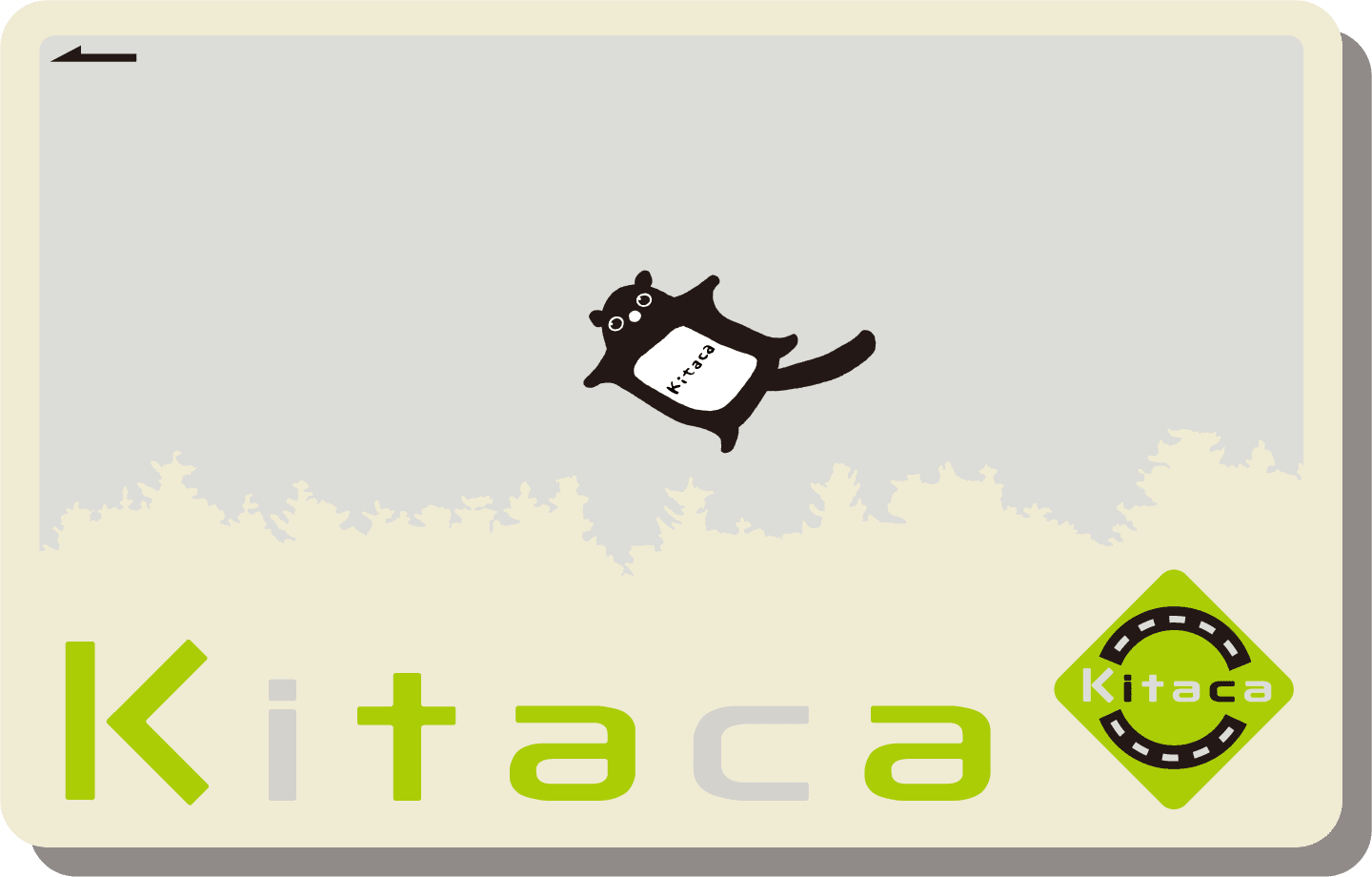
(Kitaca is part of the nationwide interoperability system. While its standalone regional rail coverage is more concentrated than Suica or ICOCA, it is more than sufficient for navigating Sapporo city and nearby day-trip spots.)
6. manaca (Nagoya Private Rail & Subway)
manaca was launched jointly in 2011 by the Nagoya City Transportation Bureau and Nagoya Railroad (Meitetsu). Operating mainly throughout the Greater Nagoya area, it covers the municipal subway, city buses, Meitetsu lines, and more. It functions as both a transit ticket and an electronic wallet, featuring a rewards point system that accrues mileage points based on usage frequency and fare amounts to offset future fares or purchases.
◎ Initial Deposit: 500 yen
◎ Recharge Amount: 1,000–20,000 yen
◎ Where to Buy: Ticket counters and vending machines at Meitetsu stations, Meitetsu Bus terminals, Toyohashi Railroad, Nagoya City Subway stations, Aonami Line, and the Yutorito Line
◎ Refund Policy: Processed at Meitetsu or Nagoya Subway station ticket offices; a 220-yen fee applies if the remaining balance exceeds 220 yen
◎ Notes: No deposit-free version; offered as registered and unregistered cards; cannot be used directly for JR Limited Express reserved seating or Shinkansen, nor for cross-zone local journeys (e.g., riding directly from Nagoya in JR Central to Tokyo in JR East).

(The name "manaca" stems from the Japanese word "manaka" meaning "center" or "middle," reflecting Nagoya's pivotal role in central Japan. Like other major IC cards, manaca is interoperable across most metropolitan areas in Japan, including Tokyo, Osaka, and Fukuoka.)
7. nimoca (Kyushu / Nishitetsu)
Introduced in 2008 by Nishi-Nippon Railroad (Nishitetsu), nimoca primarily serves Fukuoka City and Northern Kyushu, covering Nishitetsu buses, Nishitetsu railway lines, and the Fukuoka City Subway network. nimoca is deeply integrated with local businesses, widely accepted across commercial shops, restaurants, and convenience stores in Fukuoka with point-earning benefits, making it popular among locals and visitors alike.
◎ Initial Deposit: 500 yen
◎ Recharge Amount: 1,000–20,000 yen
◎ Where to Buy: Major transit hubs across Kyushu, bus terminals, Fukuoka Airport Domestic Terminal counters, nimoca customer service desks, etc.
◎ Refund Policy: Refundable only at authorized nimoca service locations (such as bus terminals across Kyushu; note that Fukuoka Airport International Terminal bus desks cannot process refunds); a 220-yen deduction applies if the remaining balance exceeds 220 yen
◎ Notes: No deposit-free tourist edition; registered and unregistered cards available; cannot be used directly for Shinkansen gates or continuous cross-zone travel.

8. SUGOCA (JR Kyushu)
Rolled out by JR Kyushu in 2009, SUGOCA is the most widely accepted IC card in the Kyushu region. It is valid on JR Kyushu railway lines, the Fukuoka City Subway, Nishitetsu trains and buses, and accepted for contactless payments at convenience stores and vending machines. It is exceptionally handy when traveling around Fukuoka, Oita, Saga, and Kumamoto, making it my top pick among Kyushu transit cards.
◎ Initial Deposit: 500 yen
◎ Recharge Amount: 1,000–20,000 yen
◎ Where to Buy: JR Kyushu stations, Kitakyushu Monorail stations, Fukuoka Airport, KKday, etc.
◎ Refund Policy: Processed exclusively at JR Kyushu ticket counters; a 220-yen handling fee applies if the remaining balance exceeds 220 yen
◎ Notes: JR Kyushu is segmented into 4 non-contiguous operational areas: Fukuoka/Saga/Oita/Kumamoto Area, Nagasaki Area, Kagoshima Area, and Miyazaki Area. Crossing between these zones on local lines is not permitted (e.g., tapping in at Hakata and tapping out at Kagoshima-Chuo); cannot be used on local Kumamoto city buses; available as registered or unregistered; cannot be tapped directly at Shinkansen or JR limited express ticket gates.

(The name SUGOCA is a clever play on the Japanese word "sugoi" (meaning "great" or "amazing") and "Card," highlighting its ease of use. Just like Suica, PASMO, and ICOCA, it works seamlessly across interoperable networks throughout Japan.)
9. Hayakaken (Fukuoka City Subway)
Issued in 2009 by the Fukuoka City Transportation Bureau, Hayakaken primarily serves the Fukuoka City Subway network, encompassing the Airport Line, Hakozaki Line, and Nanakuma Line. Today, it can also be used nationwide on major city trains, subways, and bus lines, and features contactless e-wallet and point-accumulation capabilities—making it a very handy transit pass for visitors exploring Fukuoka and Kyushu.
◎ Initial Deposit: 500 yen
◎ Recharge Amount: 1,000–20,000 yen
◎ Where to Buy: Ticket vending machines and customer service counters at Fukuoka City Subway stations
◎ Refund Policy: Refundable at Fukuoka City Subway station offices; a 220-yen fee applies if the remaining balance is over 220 yen
◎ Notes: No deposit-free version; available in registered and unregistered formats; cannot be used for Shinkansen or JR Limited Express tickets; no auto-top-up functionality for short-term visitors.

10. PiTaPa (Kansai Private Railways)
PiTaPa was introduced jointly by various Kansai private rail operators (including Hankyu, Keihan, and Nankai). Unlike other prepaid rechargeable IC cards, PiTaPa operates on a post-pay credit model: cardholders tap through turnstiles all month, and charges are settled from a linked bank account at month-end (outside Kansai, it functions as a prepaid card requiring manual recharges). Because of this, PiTaPa is tailored specifically for Japanese residents, requiring a Japanese bank account and credit verification. It is not recommended for short-term foreign visitors (ICOCA is far more suitable for traveling in Kansai).
◎ Initial Deposit: No deposit, but requires credit verification
◎ Recharge Amount: Post-paid credit billing model (within Kansai); prepaid elsewhere
◎ Cancellation / Refund: Cancelled via the PiTaPa Club website or PiTaPa App
◎ Notes: Available only to individuals holding Japanese identification and a local Japanese bank account; cannot be used for Shinkansen or JR Limited Express trains; cross-zone continuous travel is restricted.

◎ Japan IC Cards Comparison Chart
| Card Name | Issuer | Primary Region | Tourist Edition | Refundable | Deposit | Refund Fee | Refund Location |
| Suica | JR East | Tokyo, Kanto | Yes | Yes | 500 yen | 220 yen | JR East ticket counters |
| PASMO | Tokyo Private Rail / Bus | Tokyo, Kanto | No | Yes | 500 yen | 220 yen | PASMO counters |
| ICOCA | JR West | Kansai, Chugoku | No | Yes | 500 yen | 220 yen | JR West ticket counters |
| TOICA | JR Central | Nagoya, Chubu | No | Yes | 500 yen | 220 yen | JR Central ticket counters |
| Kitaca | JR Hokkaido | Sapporo, Hokkaido | No | Yes | 500 yen | 220 yen | JR Hokkaido ticket counters |
| manaca | Nagoya Subway / Meitetsu | Nagoya | No | Yes | 500 yen | 220 yen | Meitetsu / Subway ticket counters |
| nimoca | Nishitetsu | Fukuoka, North Kyushu | No | Yes | 500 yen | 220 yen | nimoca service desks |
| SUGOCA | JR Kyushu | Across Kyushu | No | Yes | 500 yen | 220 yen | JR Kyushu ticket counters |
| Hayakaken | Fukuoka Subway | Fukuoka | No | Yes | 500 yen | 220 yen | Fukuoka Subway counters |
| PiTaPa | Kansai Private Rail Alliance | Kansai | No | No | 0 yen (Credit check required) | 550 yen | PiTaPa website / App |
| *Except for PiTaPa (which uses a post-pay credit structure), all other transit IC cards remain valid for 10 years from the date of last use (they expire automatically if inactive for over 10 years). Any tap—whether for transit or retail purchases—resets this 10-year clock. If your card expires, you can bring it to the issuing railway company's ticket window for balance transfer or card replacement. | |||||||
◎ Which Japan IC Card Should I Buy?
If you are visiting Japan for the first time, simply purchase the primary IC card of the region you first arrive in: get Suica or PASMO in Tokyo/Kanto, ICOCA in Kansai, SUGOCA or nimoca in Kyushu, and TOICA or manaca in Nagoya/Chubu.
Because all these mainstream IC cards feature nationwide interoperability, you can easily tap your Suica to ride the Osaka Subway or use your ICOCA on JR lines in Tokyo. Once you have bought any one of these cards, you can keep using it on subsequent trips to other parts of Japan without needing a new one.
The only exception involves certain tourist-specific cards (such as Welcome Suica), which may carry a fixed validity window (e.g., 28 days) or usage boundaries, meaning they cannot be carried over for future trips.
Finally, if you plan to travel extensively via public transport within a single city or region over a short period, consider regional unlimited tourist day passes (such as metro day passes), which might save more money than tapping an IC card. Be sure to compare the local day-pass options for your route!

(IC card recharge machines are available at train and subway stations across Japan. In major metropolitan areas like Tokyo, Osaka, Kyoto, Nagoya, and Fukuoka, machines offer multilingual interfaces including English and Chinese.)
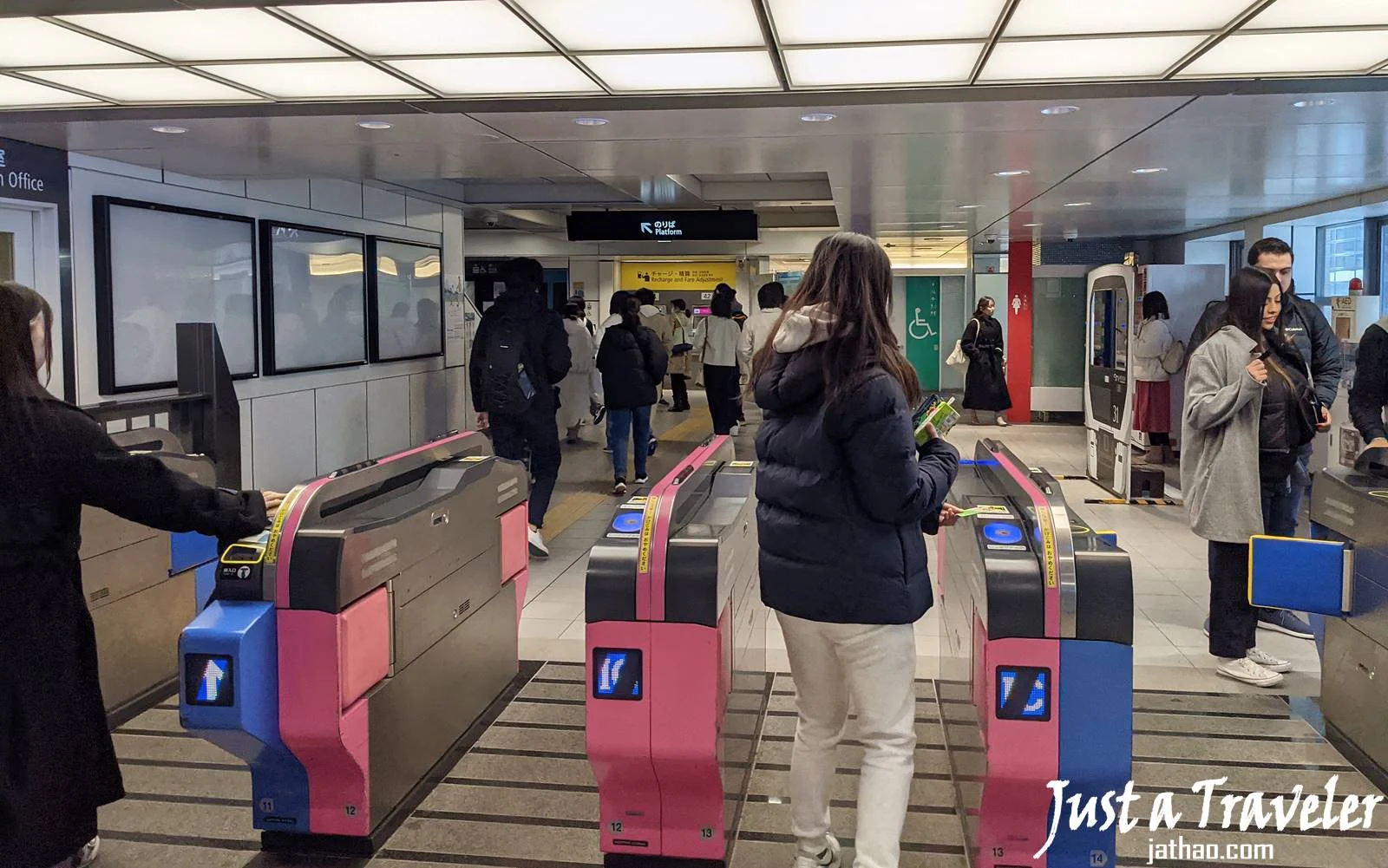
(When entering or exiting, simply tap your card on the blue sensor pad at the top of the ticket gate. If your card has insufficient funds, the gate flaps will close—simply head to the nearby fare adjustment machine (Fare Adjustment) to top up before tapping through.)
That wraps up this complete breakdown of Japan's Transit IC Cards! For independent travel in Japan, an IC card is one of the most indispensable tools in your wallet alongside regional transport passes. Understanding how they work will make your journey smooth and stress-free!