
Japan Car Rental | The Ultimate Road Trip Guide
Japan boasts a highly developed car rental industry, making renting a car as an international traveler straightforward and hassle-free. Renting a car for a road trip across Japan gives you unmatched flexibility, comfort, and the freedom to explore remote hidden gems off the beaten path—which is why so many travelers fall in love with driving in Japan.
In this comprehensive guide, I will walk you through rental requirements, top recommended rental companies, pricing, comparison platforms, insurance coverage, Japanese expressways, and essential driving tips to ensure your self-drive journey in Japan is smooth and unforgettable.

(While major cities like Tokyo, Osaka, and Fukuoka boast efficient public transit networks, renting a car is ideal if you crave maximum mobility, want to skip navigating complex train timetables, carry heavy luggage and souvenirs with ease, or simply prefer private travel. For families with kids or small groups, driving can often be significantly cheaper too!)
1. Requirements for Renting a Car in Japan
The requirements for renting a car in Japan are relatively straightforward. Because Taiwan and Japan have a reciprocal agreement recognizing driver's licenses, travelers from Taiwan can legally drive in Japan for up to 1 year after entry simply by presenting their Passport, Original Domestic Driver's License, and an Official Japanese Translation of the Driver's License. If you booked your rental online in advance, make sure to also bring your booking confirmation and a credit card in the primary driver's name.
For Taiwanese travelers, the Official Japanese License Translation can be issued at motor vehicles offices across Taiwan for NT$100. You will need your Taiwanese National ID and your original driver's license (which must be valid; renew it beforehand with a 1-inch photo if expired).
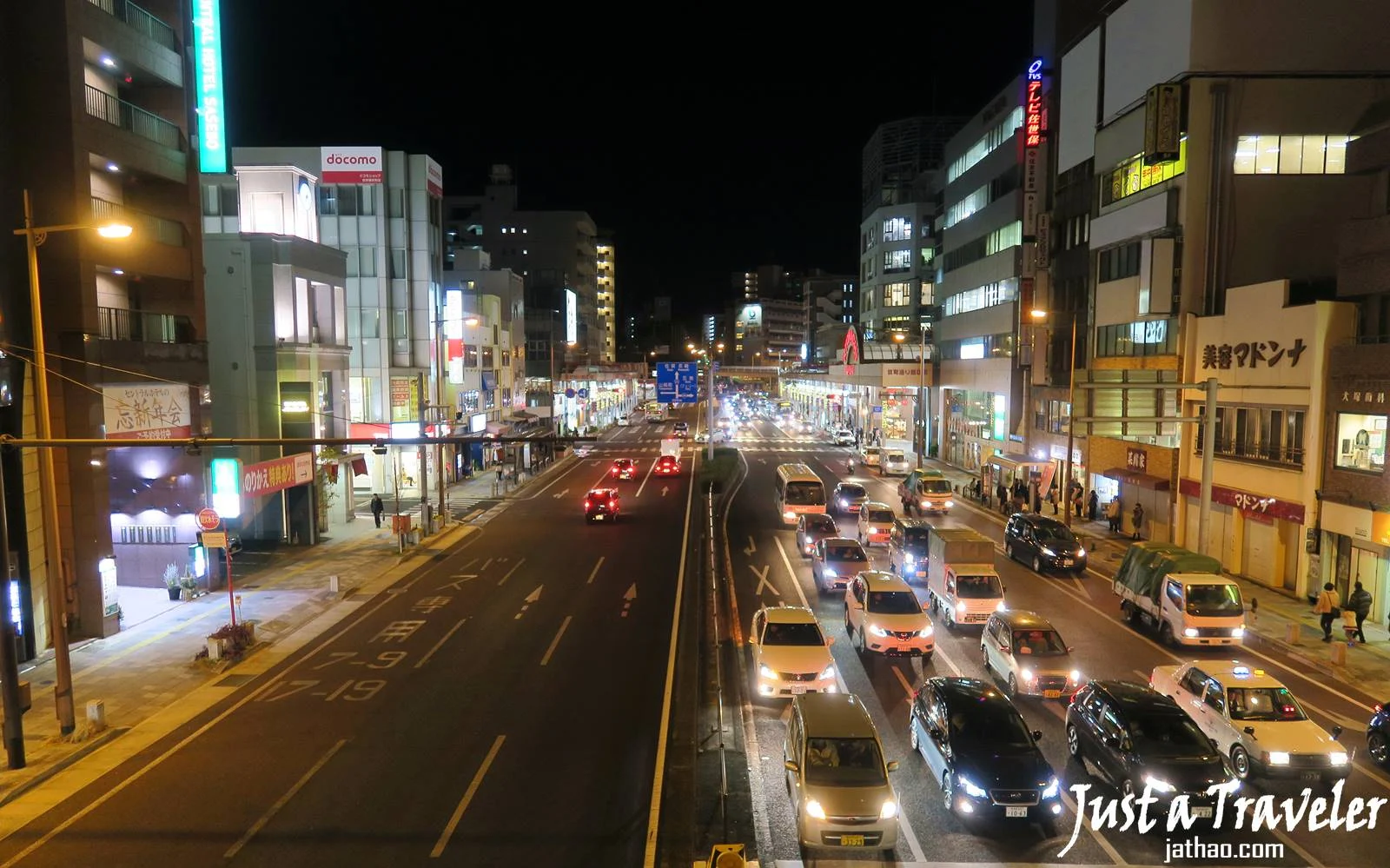
(Some Japanese rental car agencies require drivers to be at least 21 years old or may apply a young driver surcharge.)
2. Guide to Major Car Rental Companies in Japan
Japan is home to numerous car rental brands. The most common are large nationwide rental chains such as Nissan, Nippon, Times, Toyota, ORIX, and Budget. There are also reputable mid-sized or regional brands, including OTS, Sky, Honda, and JR Rent-A-Car.
These large and mid-sized brands offer extensive branch networks (many with airport counters), convenient pick-up and drop-off, long operating hours, robust insurance packages, multilingual support, and well-maintained modern fleets. While hundreds of smaller local budget shops exist throughout Japan offering cheap rates, they typically feature limited pick-up spots, older vehicles, and minimal foreigner support, making them less ideal for vacationers.
Here is an overview of major car rental companies across different regions of Japan:
| Region | Tokyo | Hokkaido | Kyushu | Kansai | Okinawa |
| Car Rental Companies | Nippon Nissan Toyota Times ORIX Budget JR Rent-A-Car Hertz Europcar |
Nippon Nissan Toyota Times ORIX Budget Honda OTS Sky Thrifty |
Nippon Nissan Toyota Times ORIX Budget Sky Thrifty Hertz Europcar |
Nippon Nissan Toyota Times ORIX Budget Hertz |
Nippon Nissan Toyota Times ORIX OTS Sky J-net Fuji Grace |
As seen above, besides the nationwide chains, regional brands have distinct territories: OTS operates primarily in Okinawa and Hokkaido (with presences in Okayama and Shikoku), Sky focuses on Hokkaido, Okinawa, and Kyushu, while Honda Rent-a-Car is prominent in Hokkaido.
Below is a comparative breakdown of Japan's 6 largest nationwide rental companies, examining key features, extras, and service highlights:
| Company | Toyota | ORIX | Times | Budget | Nippon | Nissan |
| Airport Shuttle | Yes | Yes | Yes | Yes | Yes | Yes |
| Multilingual Website | Yes | Yes | Yes | Yes | Yes | Yes |
| Chinese / English Support | No | Yes | Yes | Yes | Yes | Yes |
| One-Way Drop-off | Distance-based | Distance-based | Free under 20 km | Distance-based | Free under 20 km | Free under 20 km |
| Child Safety Seat | ¥550 | ¥1,100 | ¥550 / ¥1,100 | ¥1,100 | ¥1,100 | ¥550 |
| ETC Card Rental | ¥330 | ¥330 | ¥330 | ¥330 | ¥330 (≤7 days) ¥1,100 (8+ days) |
¥330 |
| Highlights | Largest branch network Full vehicle lineup Newest fleet Higher rates Comprehensive service Affordable insurance |
Second largest fleet Lower base rates Affordable insurance 5% official web discount Great campaign deals |
GPS quality varies Japanese web deals restricted for foreigners Moderate pricing |
International brand Lower base rates Costlier insurance Web discount promotions |
Third largest network Long operating hours Higher rates offset by deep promos Member perks Affordable insurance |
Excellent GPS reviews 5% Japanese web discount Budget-friendly rates |
| Notes | *All companies provide GPS satellite navigation systems with English/multilingual voice guidance free of charge. *While one-way drop-offs are generally distance-based, returning your car to a different branch within the same prefecture is usually free (e.g., picking up at Narita Airport and returning at a Chiba City branch incurs no drop-off fee). *Pros and cons are general benchmarks and may vary by campaign, region, branch, or vehicle class. |
|||||

(Among major Japanese brands, Nissan and Toyota are automaker-operated rental arms, offering exclusive access to their latest company models with model-specific booking options. Other companies offer a mix of different car brands, allowing you to select vehicle classes while allocating specific makes upon pickup based on availability.)
3. Japan Car Rental Costs & Comparison Platforms
After surveying the top providers, the natural question is: Which car rental company is the cheapest? Pricing structures vary across companies, but rates generally consist of the base vehicle rental fee plus ancillary charges (consumption tax, one-way drop-off fees, seasonal surcharges, child seat rentals, etc.). Excluding optional insurance, standard compact sedans typically cost around NT$1,500–2,000 (~¥6,500–8,500) per day, mid-sized SUVs around NT$3,000 (~¥13,000) per day, and 8-to-9-seater passenger vans around NT$4,500 (~¥19,000) per day. Naturally, vehicle category, peak vs. off-peak seasons, destination, and booking duration influence daily averages (longer rentals lower the daily rate).
Additionally, rentals in Japan operate on either a "calendar day basis" or an "hourly basis." Calendar-day billing divides into "same-day return" and "overnight return," whereas hourly billing quotes by the hour or in 6, 12, or 24-hour blocks. Depending on your itinerary schedule, comparing both methods can yield small savings.
While you can check rates individually on each company's official website, using aggregated comparison platforms is highly recommended. They display rates across multiple operators simultaneously and frequently unlock special promotional rates cheaper than direct bookings. Here are 5 top car rental comparison platforms for Japan that provide clear English/multilingual interfaces:
| Platform | Description |
| Rentalcars | The world's largest rental car search engine. Compares global and domestic providers including Hertz, Budget, Europcar, Alamo, and Thrifty. Most reservations include free cancellation up to 48 hours prior to pickup. |
| ToCoo! | Japan's largest domestic car rental aggregator. Excels at bundling rental accessories like ETC cards, pocket Wi-Fi units, and their proprietary Expressway Pass plans, often delivering substantial total savings. |
| Tabirai Car Rental (.com) | A leading Japanese car rental booking website. Features reputable local Japanese providers large and small, complete with dedicated multilingual customer support. |
| Tabirai | Founded in Okinawa and expanded nationwide, Tabirai features premier fleets from ORIX, Nissan, Times, Nippon, and Toyota, frequently offering rates cheaper than direct brand websites with basic CDW coverage already included. |
| Klook Car Rental | A premier global travel booking portal that now offers comprehensive Japan car rental comparison. You can combine bookings with exclusive Klook promo codes for additional discounts. |
Beyond these five, regional aggregators like Rakuten Travel and island-specialized portals like Gogoout (great for Okinawa and Hokkaido) are also excellent resources to compare.

(As highlighted in my previous self-drive guides for Okinawa Car Rental, Hokkaido Car Rental, and Fukuoka Car Rental, no single company is consistently the cheapest. Seasonal campaigns, lead booking times, and car class availability fluctuate constantly, making comparison sites the fastest way to lock in the best deal.)
4. Japan Car Rental Insurance Types & Costs
Car rental insurance in Japan is divided into two primary tiers: Mandatory Insurance (Basic Insurance Compensation) and Optional Insurance. Under Japanese law, all official rental quotes already include the mandatory insurance system, which covers third-party bodily injury, property damage, and vehicle damage, subject to a deductible (excess) that the driver remains responsible for paying.
The first tier of optional insurance is the Collision Damage Waiver (CDW). Purchasing CDW waives the driver's deductible (excess) for property and vehicle damage in an accident.
However, an accident also deprives the rental company of revenue while the car is repaired, cleaned, or towed. In Japan, rental agencies charge a mandatory Non-Operation Charge (NOC) for this downtime—typically ¥20,000 if the car can be driven back to the depot, or ¥50,000 if it must be towed. Standard CDW does NOT cover NOC!
To eliminate this risk, car rental companies offer premium top-tier protection called Rental Assistance Package (RAP) or Full Coverage. While named differently across brands, it represents complete Full Insurance Coverage: it waives both deductibles and the NOC completely, while bundling 24/7 roadside assistance, emergency fuel delivery, tire replacement, and lock-out assistance.

(Comparison of Car Rental Insurance Tiers in Japan)
How much do these insurance packages cost across major Japanese rental brands? Here is a breakdown comparing the 6 leading companies:
| Company | ORIX | Times | Budget | Toyota | Nippon | Nissan |
| CDW Plan Name | CDW | Safety Package | CDW | CDW System | CDW System | CDW System |
| CDW Cost (24h) | ¥1,100 / ¥2,200 | ¥1,100 / ¥1,430 / ¥2,200 | ¥1,430 / ¥2,530 | ¥1,100 / ¥2,200 | ¥1,100 / ¥1,430 / ¥2,200 | ¥1,650 / ¥2,200 / ¥2,750 |
| Full Plan Name | Rental Peace (RAP) | Super Safety Package | Safety Pack | Anshin W Plan | Extra Coverage Option* | Full Support Plan |
| Full Plan Cost | ¥1,760 / ¥3,520 | ¥2,200 / ¥2,530 / ¥3,300 | ¥3,630 / ¥4,730 | ¥1,650 / ¥2,750 | ¥1,540 / ¥1,870 / ¥2,640 | ¥2,200 / ¥2,750 / ¥3,300 |
| Notes | *All prices are inclusive of tax per 24 hours and tiered by vehicle size (standard passenger cars to 7-seaters, passenger vans, and commercial vehicles). *Full Insurance packages represent the combined price of CDW + NOC waiver. *Nippon's Extra Coverage Option (ECO) is an add-on (¥440) that specifically waives NOC; it must be bundled with CDW for full coverage (prices shown above reflect the total combined cost). *Insurance is billed in 24-hour increments. |
|||||
As demonstrated, if purchasing standalone CDW, pricing is virtually identical across brands aside from Budget and Nissan being slightly higher. For comprehensive Full Insurance (CDW + NOC waiver) on standard passenger cars, ORIX, Toyota, and Nippon offer the most competitive value.
Alternatively, third-party excess protection policies from platforms like Rentalcars.com or RentalCover are often up to 40% cheaper than counter rates. The trade-off is that in the event of damage, you must pay the rental company up front and file a reimbursement claim with the insurer afterward.

(All major rental agencies offer full coverage add-ons. I personally recommend always opting for full insurance—road travel should be stress-free, and having complete waiver protection for deductibles and NOC saves you from immense administrative headaches if unexpected bumps occur.)
5. Navigating Japanese Expressways
Next up is understanding how Japanese Expressways (高速道路, Kosokudoro, or 有料道路 Toll Roads) work. Unlike in some countries, virtually all intercity expressways in Japan require tolls.
Toll collection operates across three types of lanes: General Cash Lanes (一般), dedicated ETC Lanes (ETC専用), and Combined Lanes (ETC/一般). If you use a General Cash Lane, take a transit ticket from the dispenser at the entry toll gate. When exiting, hand your ticket to the attendant or insert it into the machine and pay via cash or credit card. If you rent an ETC (Electronic Toll Collection) card from your rental company, you simply drive through the dedicated ETC lane at under 20 km/h, and tolls are recorded automatically. You settle the total toll balance at the depot upon returning your vehicle—saving immense time and hassle, so renting an ETC card is strongly recommended.

(Expressway toll gates clearly display lane statuses: General, ETC Only, or Shared Lanes.)
Japanese expressway tolls can add up quickly over long journeys. Fortunately, Japan offers tourist-exclusive Expressway Passes (unlimited ETC toll passes), allowing foreign visitors unlimited travel on designated expressway networks for a fixed multi-day fee:
| Pass Name | Coverage Area | Validity Period | Price (JPY) |
| JEP | All Japan (Japan Expressway Pass) | 7 / 14 Days | ¥20,400 / ¥34,600 |
| HEP | Hokkaido (Hokkaido Expressway Pass) | 2–14 Days | ¥3,700 – ¥11,500 |
| CEP | Central Japan (Central Nippon Expressway Pass) | 2–14 Days | ¥5,100 – ¥16,300 |
| TEP | Tohoku (Tohoku Expressway Pass) | 2–14 Days | ¥4,100 – ¥12,200 |
| KEP | Kyushu (Kyushu Expressway Pass) | 2–10 Days | ¥3,600 – ¥11,700 |
| SEP | San'in-Setouchi-Shikoku Expressway Pass | 3–10 Days | ¥6,100 – ¥13,200 |
| Notes | *Designated branches of leading rental chains like Times, Toyota, Nippon, Budget, ORIX, and Nissan offer these passes. Check branch eligibility when booking. *Certain urban expressway sections (like Metropolitan Expressway in Tokyo or Hanshin Expressway) may be excluded from specific regional passes. Always review route maps and calculate estimated tolls online in advance. |
||
As the table illustrates, the longer the validity period, the lower the daily average cost. For road-trippers planning extensive intercity highway driving, an expressway pass delivers substantial savings.
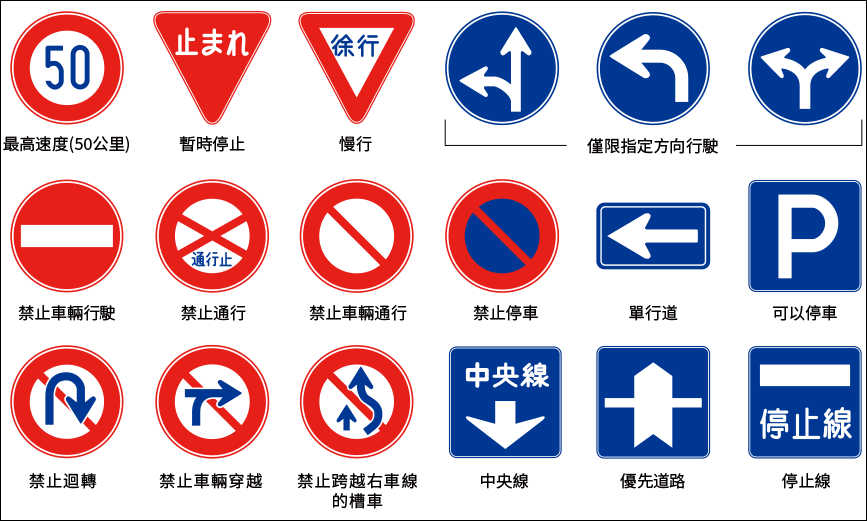
(Common Japanese road signs encountered when driving in Japan)
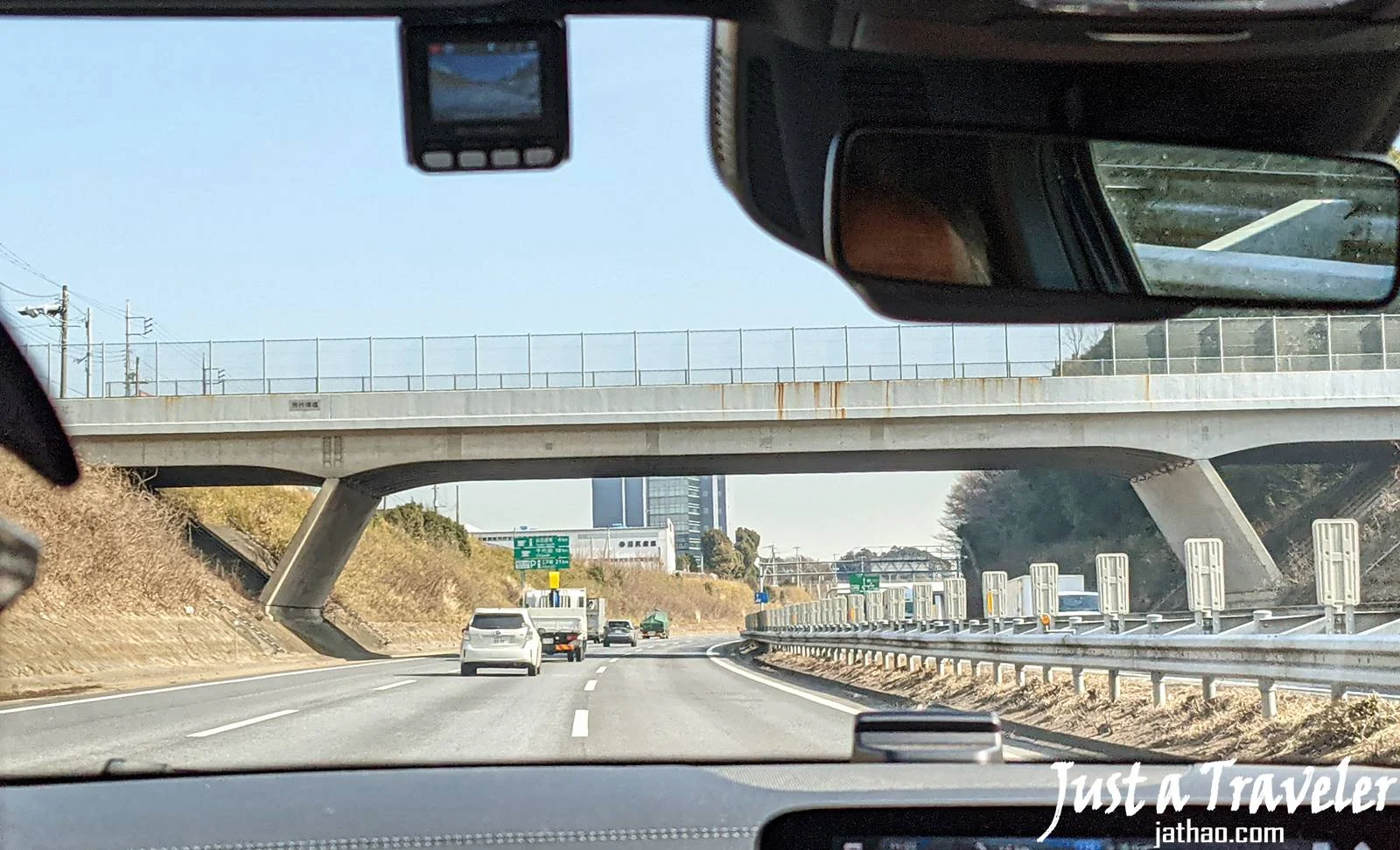
(The default expressway speed limit in Japan is typically 100 km/h for regular cars and 80 km/h for kei cars, while urban streets range from 30–50 km/h. Keep an eye on dynamic electronic overhead signs adjusting for weather and road conditions.)
6. Important Driving Tips & Rules of the Road
- Full-to-Full Fuel Policy: Rental vehicles are provided with a full tank and must be returned full. Keep your final gas station receipt to show the staff at check-in.
- Child Safety Seats: Japanese law strictly mandates child safety seats for all children under the age of 6. Fines apply for non-compliance.
- Luggage & Vehicle Size: Japanese cars feature compact cabin designs. If your party is near the passenger limit, choose one vehicle class larger—for instance, rent a 7-seater for 5 passengers, or a 9-seater for 7 passengers, to ensure ample trunk space for suitcases.
- Accident Procedures: In case of any incident, collision, or scratch, you MUST immediately call the police (Dial 110) and contact your rental company. Without an official police accident report (Jiko Shomeisho), insurance will not honor any claims! (Ambulance/Fire emergency number is 119).
- After-Hours Drop-Off: Many branches accommodate after-hours returns (e.g., late-night red-eye flights), but a fee of around ¥1,100 to ¥2,200 usually applies.
- Register All Drivers: All drivers must present their driver's license credentials at the counter during vehicle pickup; unregistered drivers involved in accidents will void insurance protection.
- Pedestrians Have Right of Way: Japan strictly enforces pedestrian right of way. Always come to a complete stop before pedestrian crossings if someone is waiting to cross.
- Drive on the Left: Japan drives on the left-hand side of the road with right-hand drive steering wheels. If you are unaccustomed to driving on the left, take a few practice laps in low-traffic alleys around the rental shop before joining main thoroughfares.

(The two most popular regions for self-drive road trips are undoubtedly Okinawa and Hokkaido, where distances are expansive and rural transit is sparse. Other fantastic self-drive corridors include Mount Fuji, Hakone, Karuizawa, and Kamakura around Tokyo; Kyushu destinations like Kumamoto, Fukuoka, Nagasaki, Kurokawa Onsen, and Takachiho Gorge; or the Tohoku region encompassing Sendai, Aomori, Yamagata, and Akita!)

(Many gas stations in Japan are self-service. Pull up to a pump, choose your fuel type—regular unleaded is usually red—enter your payment amount via the touchscreen terminal using cash or card, dispense fuel, and collect your change and receipt.)

(The standard rental pickup workflow: Take the airport shuttle bus to the rental outlet → Complete check-in documentation → Inspect existing vehicle condition and check requested extras (GPS, baby seats) → Familiarize yourself with controls and gear shift → Depart & enjoy your road trip → Refuel full tank near depot → Complete vehicle return inspection → Take shuttle back to terminal.)
That wraps up my complete guide to renting a car and driving in Japan! With fascinating corners to explore from Tokyo and Hokkaido to Osaka, Kyushu, Shikoku, Okinawa, and Tohoku, self-drive travel offers unparalleled freedom to discover Japan's picturesque landscapes on your own terms!