
Owakudani | Hakone's Must-Visit Volcanic Wonder
Hakone is blessed with world-class hot springs precisely because of its rich volcanic history, and "Owakudani" is the very heart of this volcanic landscape—making it one of Hakone's most iconic signature sights. From dramatic geothermal vents and famous black eggs to fascinating natural ecology and scientific value, visitors of all ages can marvel at nature's raw power and wonder.
In this guide, I will share transportation options, must-see highlights, and personal travel tips for visiting Owakudani to help you quickly plan your trip!

1. How to Get to Owakudani
Aside from renting a car and driving, reaching Owakudani via public transit is straightforward and scenic. The most recommended route starts from Hakone-Yumoto Station: take the Hakone Tozan Railway to Gora Station, transfer to the Hakone Tozan Cable Car to Sounzan Station, and then board the Hakone Ropeway to Owakudani Station. The transit route map below illustrates the journey:

(This route follows the brown, green, and purple lines on the map; the full trip takes about 65 minutes and costs approximately 2,400 JPY one-way.)
If you are departing from other parts of Hakone or plan to take local buses, you can use the official "Hakone Transit Search System" to easily check timetables, routes, travel times, and fares.
Moreover, if you hold a "Hakone Freepass", you get unlimited free rides on all routes mentioned above, covering Hakone's ropeways, mountain railways, Tozan buses, the Hakone Sightseeing Cruise pirate ship, and nearly all regional public transport. It is strongly recommended for travelers exploring Hakone by transit. You can also conveniently purchase it on KKday or Klook, often with great discounts.

(Both buses and the ropeway take you straight to Owakudani, and there is also a large outdoor parking lot available for self-drive visitors.)
Lastly, you can also join a guided day tour—mostly departing directly from central Tokyo. Popular itineraries such as the "Mount Fuji & Hakone Day Tour" or "Fuji & Hakone Day Trip" are fantastic options if you prefer hassle-free travel without navigating transit transfers on your own!
2. Top Things to Do in Owakudani
Now that you know how to get here, what is there to do around Owakudani? The main area is relatively compact, and most visitors spend about 1 to 2 hours exploring. Here are the top 4 highlights you should not miss:
1. Geothermal Landscape & Natural Wonders
Owakudani is an active volcanic valley created by a massive eruption of Mount Hakone roughly 3,000 years ago. Today, you can still witness dramatic geothermal activity, steaming fumaroles venting white clouds, and the distinct smell of sulfur lingering in the air, making it one of Hakone's most representative natural spectacles.


(Volcanic activity here remains remarkably active. During the Edo period, it was even nicknamed "Jigokudani" (Hell Valley)—much like Kyushu's famed Beppu Hells. Steam continues to billow constantly today, and the pungent sulfur scent will surely leave a lasting impression the moment you arrive.)
2. Hakone Ropeway Aerial Views
Because Owakudani is a key station on the Hakone Ropeway, visitors can admire the mist-shrouded volcanic crater directly from the air. Riding the ropeway is both the most convenient way to arrive and an unmissable sightseeing highlight in itself!


(Riding the Hakone Ropeway not only gives you a sweeping bird's-eye view of Owakudani, but on clear days, you can also admire stunning panoramas of Mount Fuji in the distance. The ride between Sounzan Station and Owakudani Station takes only about 10 minutes, so keep your camera ready!)


(Each gondola accommodates around 20 passengers with frequent departures. The floor even features a small glass observation pane allowing you to peer directly down at the thermal terrain below.)

(On the second floor of Owakudani Station, there is a cafeteria featuring floor-to-ceiling windows where you can dine while taking in spectacular views of volcanic steam and surrounding Hakone mountains. The signature house dish is the "Special Owakudani Curry", colored pitch-black to reflect the volcanic terrain (often called Black Curry). Costing about 1,100 to 1,400 JPY depending on toppings, it is an extremely popular meal choice among travelers.)
3. Taste the Iconic Kuro-tamago (Black Eggs)
Black Eggs (Kuro-tamago) are Owakudani's world-famous specialty snack. They are prepared by boiling fresh eggs in sulfur-rich hot spring pools, where a chemical reaction between iron and sulfur turns the eggshells jet-black. Local legend says that eating one black egg adds seven years to your life! The egg inside has a tender texture with a subtle hint of saltiness, making it a culinary must-try.


(Black eggs can only be found right here at Owakudani. You can purchase them at the "Owakudani Kuro-tamago Kan" right beside the station—500 JPY for a bag of 4 eggs, complete with table salt—along with plenty of regional Hakone souvenirs. We thoroughly enjoyed their taste, and hey, who would say no to an extra seven years of life!)


(Souvenir shelves are filled with black-egg-inspired treats, such as egg-shaped cookies, cakes, and exclusive Hello Kitty Kuro-tamago merchandise, all making wonderful gifts for friends and family back home.)

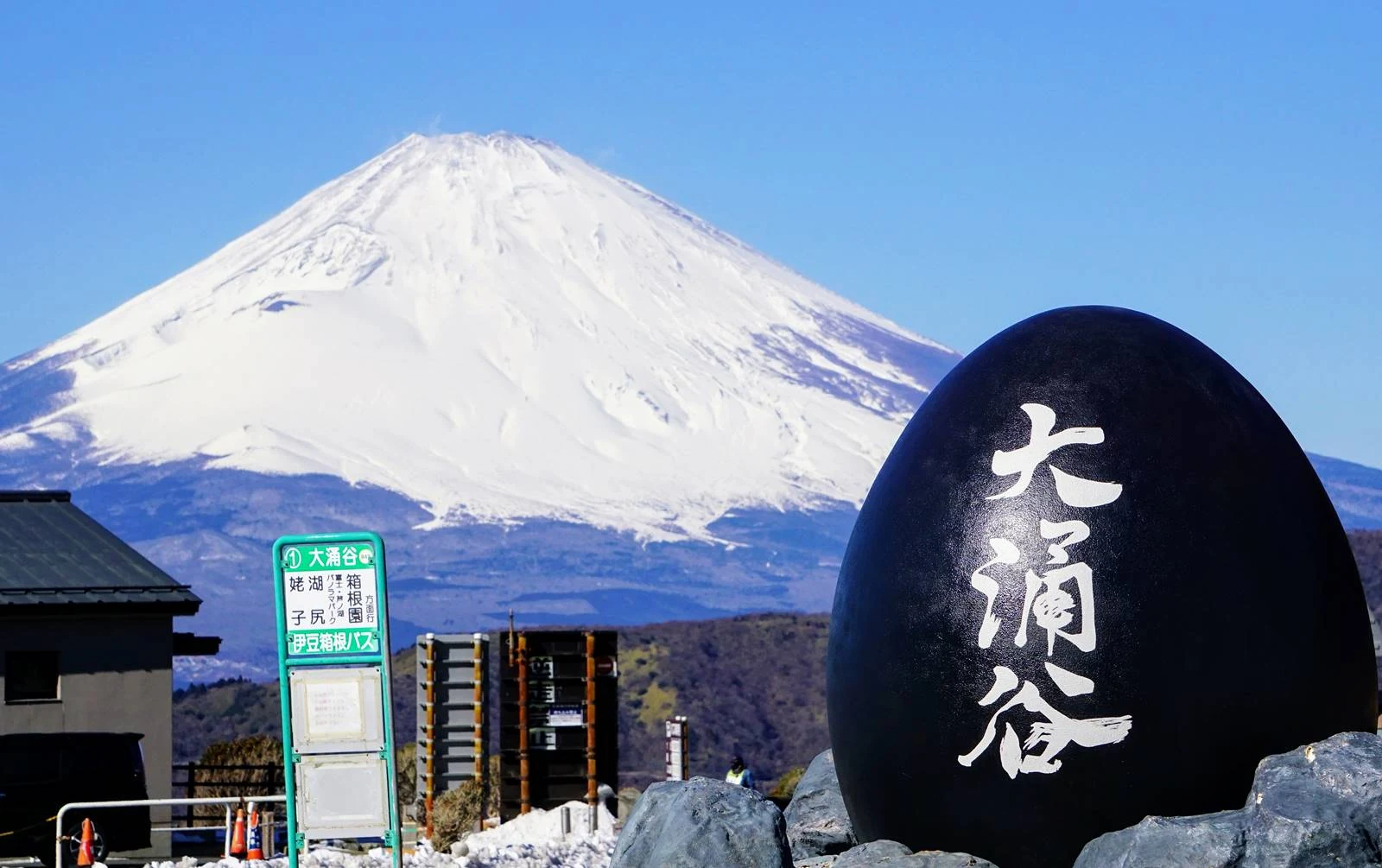
(Public benches, signs, and monuments across Owakudani are shaped like adorable giant black eggs, serving as popular photo ops. Thanks to the open terrain and wide viewpoints, you can also admire clear views of Mount Fuji and the surrounding Hakone peaks on sunny days.)
4. Owakudani Nature Study Path (Reservation Required)
Finally, if you want an in-depth exploration of Owakudani, consider joining the guided tour along the "Owakudani Nature Study Path". Visitors can walk directly into the geothermal zone to observe geological features and volcanic ecology up close, ideal for geology enthusiasts.
◎ Reservation: Required in advance via the Official Website (online reservation only; no on-site booking)
◎ Tour Times: Daily at 10:00, 11:30, 13:00, and 14:30; limited to 30 participants per session
◎ Duration: Approx. 40 minutes
◎ Fee: 800 JPY (paid on-site via cashless payment only, such as credit card or IC transit card; cash is not accepted)
◎ Important Notes: Trail opening status may change depending on volcanic activity and weather, and tours may be cancelled temporarily on the day


(The trail is about 700 meters long and takes roughly 40 minutes. The group is accompanied by two safety monitors who guide the tour. Note that tours are conducted solely in Japanese, making it best suited for visitors with some Japanese comprehension.)
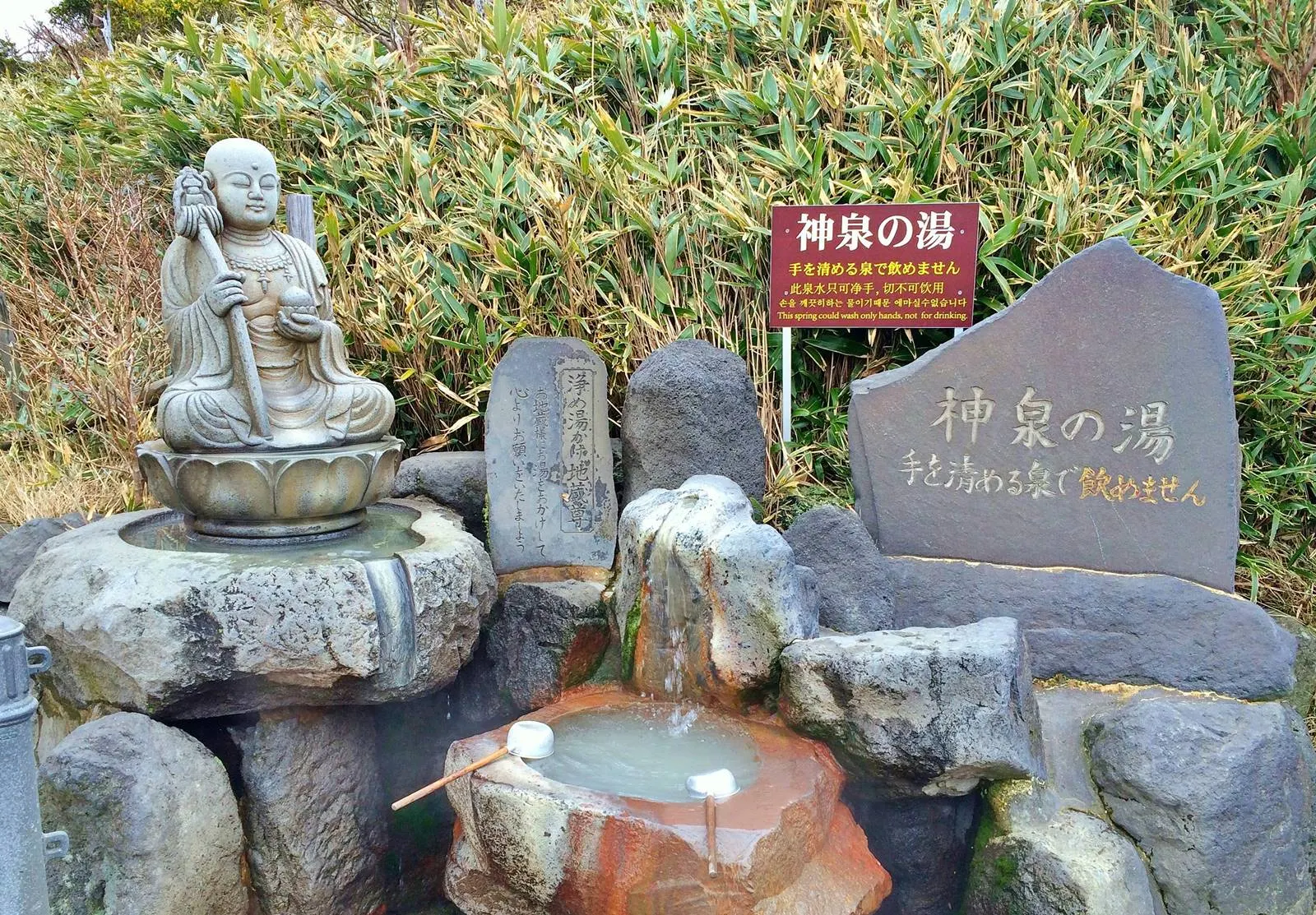
(Information boards along the way explain local geology and geothermal phenomena. You will also pass viewpoints and minor shrines, such as "Shinsen-no-Yu" near the trailhead, where Kobo Daishi is said to have prayed for local safety. Sturdy volcanic shelters are positioned along the path in case of sudden changes in volcanic conditions.)


(The final stop reaches the egg boiling area, where dedicated staff boil Owakudani's iconic black eggs every day in steaming natural spring pools—this is where the famous eggs are born!)
That concludes our travel guide to Owakudani! With its unique volcanic wonder, one-of-a-kind black eggs, and panoramic mountain vistas, it has long stood as a hallmark destination in Hakone. Whenever you visit Hakone, Owakudani is an absolute must-see!