
Yakushima Independent Travel Guide | Transportation, Attractions & Accommodation Overview
Located off the southern coast of Kyushu, Yakushima is the seventh-largest island in Japan and was among the very first regions in Japan designated as a UNESCO World Heritage site. Its greatest allure lies in its pristine, ancient, and remarkably diverse natural ecosystem. Famous worldwide as the inspiration behind Hayao Miyazaki's classic Ghibli animation Princess Mononoke, Yakushima captivates travelers with its mysterious, ethereal ancient forests.
In this comprehensive guide, I share everything you need for planning a trip to Yakushima: transportation, must-see sights, hotels, local cuisine, and practical travel tips. Whether you're heading here for a day trip, a 2-day getaway, or a multi-day hiking adventure, this guide will help you craft the perfect itinerary!

(Yakushima is a rugged, mountainous island where over 90% of the land is covered by mountains and lush forests, with many peaks exceeding 1,000 meters in elevation. It also happens to be Japan's rainiest place—locals jokingly say it "rains 35 days a month" on Yakushima to emphasize its frequent showers, which make the mossy landscape so vibrant!)
1. How to Get to Yakushima
Yakushima lies roughly 60 kilometers south of the southern tip of Kagoshima. Reaching the island is primarily done in two ways: by flight or by ferry / high-speed boat. Here are the details:

1. Arriving by Air
Yakushima Airport (KUM) is the sole airport on the island. It operates domestic flights only, with no international routes. Direct flights to Yakushima depart from three airports in Japan: Kagoshima Airport, Osaka Itami Airport, and Fukuoka Airport. Here is how they compare:
| Departure Point | Flight Time | Approx. Cost |
| Osaka Itami Airport | Approx. 1.5 hours | Approx. 40,000 JPY one-way |
| Fukuoka Airport | Approx. 1 hour | Approx. 30,000 JPY one-way |
| Kagoshima Airport | Approx. 40 minutes | Approx. 20,000 JPY one-way |
| * Airfares vary depending on seasonality and promotional fares. | ||
In terms of carriers, only All Nippon Airways (ANA) and Japan Airlines (JAL) operate flights to Yakushima. You can easily compare flight tickets on search engines like Skyscanner to lock in the best deal.

2. Arriving by Sea (Ferry & High-Speed Jetfoil)
Yakushima has two main ports: Anbo Port on the east coast and Miyanoura Port on the north coast. Both are accessible by sea from Kagoshima Port.
There are two types of vessels available: large conventional car ferries (Car Ferry) and high-speed jetfoils. They differ markedly in speed, price, and onboard amenities:
| Vessel Type | Car Ferry | High-Speed Jetfoil |
| Operator | Ferry Yakushima 2 | Toppy & Rocket |
| Arrival Port | Miyanoura Port | Anbo Port / Miyanoura Port |
| Travel Duration | Approx. 4 hours | Approx. 2 - 2.5 hours |
| Round-Trip Fare | Adult: 11,500 JPY Child: 5,800 JPY |
Adult: 22,300 JPY Child: 11,150 JPY |
| Timetable | 1 departure daily | 6 departures daily |
| Ship Type | Large passenger cruise ferry | High-speed jetfoil vessel |
| Notes | Offers 1st/2nd class & private staterooms (upgrade fees apply; see details) | Some services transit via Ibusuki or Tanegashima |
As you can see, taking the boat is considerably cheaper than flying, though it takes longer. Both vessels have distinct pros and cons: the car ferry is budget-friendly and packed with fun onboard amenities, but departs only once a day and takes 4 hours; high-speed jetfoils are much faster with multiple departures daily, but cost more and offer only standard passenger seating. Choose according to your schedule and travel style!
In short: If you depart from Kagoshima and want the fastest route, fly; if you're on a budget and love leisurely scenic cruising, take the car ferry; if you want a balance of speed and frequency, opt for the high-speed jetfoil.

(All ships bound for Yakushima depart from the South Wharf [Minami Wharf] of Kagoshima Port. You can take the Kagoshima City Tram to either Izurodori Station or Asahidori Station and walk about 15 minutes to the terminal. Note that the boarding and ticket buildings for the car ferry and the jetfoil are separate—they are about a 5-minute walk apart, so make sure you head to the correct pier!)

(Neither ticket office is particularly huge. Each has a waiting hall and a few small souvenir shops selling snacks and gifts, but shopping options are modest.)

(Since I had plenty of time on my Kyushu trip, wasn't in a rush, wanted to save money, and was curious about the passenger ship experience, I chose to take the large Ferry Yakushima 2.)


(The ferry spans three passenger decks loaded with amenities, including a children's play area, cafe, gift shop, lounge theater, public bath, sauna, eco-exhibition room, ramen stall, observation decks, and reading nooks. The 4-hour journey flew by without a hint of boredom! Note that certain designated lounges are reserved for first-class ticket holders, and signs clearly mark restricted areas.)

(The ferry departs early in the morning, treating passengers to a picturesque sunrise over the Kagoshima Bay. The large vessel cruised remarkably smoothly; even though I'm usually prone to seasickness, I didn't feel nauseous at all. Of course, personal sensitivity varies, so taking motion sickness medication beforehand is always wise.)
Curious whether arriving at Miyanoura Port or Anbo Port is better? In terms of service frequency and surrounding amenities, Miyanoura Port is slightly more convenient and serves as Yakushima's primary hub. However, arriving at Anbo Port is equally fine and won't disrupt your itinerary.
2. Getting Around Yakushima: Local Transport
Once you arrive on Yakushima, how do you travel around? The island's transit relies on two primary options: rental cars and local buses. Here is how each works:
1. Car Rental
There are around 10 car rental outlets on Yakushima, clustered around the airport and the two ferry ports. Several companies offer one-way drop-offs, which is super convenient if you arrive at one port and leave from another, or mix ferry and air travel. However, because Yakushima is an island, vehicle inventory is limited and cars sell out fast during peak seasons. I strongly recommend booking at least two months in advance.
To find the best rates, check major aggregator platforms such as Rentalcars, Rental Car Websites, ToCoo!, and Tabirai.

(Alternatively, local operators offer customizable private charters like Yakushima Private Charter Services if you don't wish to drive yourself.)
2. Public Bus Services
Yakushima's public bus network consists of just 4 main routes, operated by two distinct bus companies: Tanegashima / Yakushima Kotsu and Matsubanda Kotsu Bus.

(The bus network is color-coded into Red, Blue, Green, and Orange routes. Essentially, it consists of a coastal ring road loop plus branch lines penetrating into inland attractions and trailheads, totaling 129 bus stops.)
(1) Tanegashima / Yakushima Kotsu
Tanegashima / Yakushima Kotsu is the primary public bus operator on the island. It runs the Red, Blue, and Green routes—covering all lines except the Orange route heading to Arakawa Trailhead.
The main coastal Red Line runs approximately every 40 minutes from 4–5 AM to 6–7 PM. However, the Blue Line (heading to Shiratani Unsuikyo) and Green Line (heading to Kigen-sugi) operate only 4 and 2 services per day respectively! Frequencies are low, so you must plan around the Yakushima Kotsu Bus Timetable carefully.
Fares start at 140 JPY and increase based on distance traveled, as detailed below:

The company also offers an economical 1 to 4-Day Pass (Yakushima Yuttari Mankitsu Pass), granting unlimited rides across these 3 routes for 1 to 4 consecutive days. Pricing is 2,000 JPY for 1 day, 3,000 JPY for 2 or 3 days, and 4,000 JPY for 4 days. Looking at standard fares, riding the bus 2 to 3 times or taking one long-distance trip quickly exceeds 2,000 JPY, making this pass a worthwhile investment for bus travelers.

(The multi-day passes can be purchased at numerous outlets across the island, including the Yakushima Tourism Center, Yakushima Airport, Tanegashima Kotsu offices, jetfoil ticket counters, and the Miyanoura / Anbo Tourist Information Centers. Passes cannot be purchased onboard, so pick one up right after disembarking at the port!)
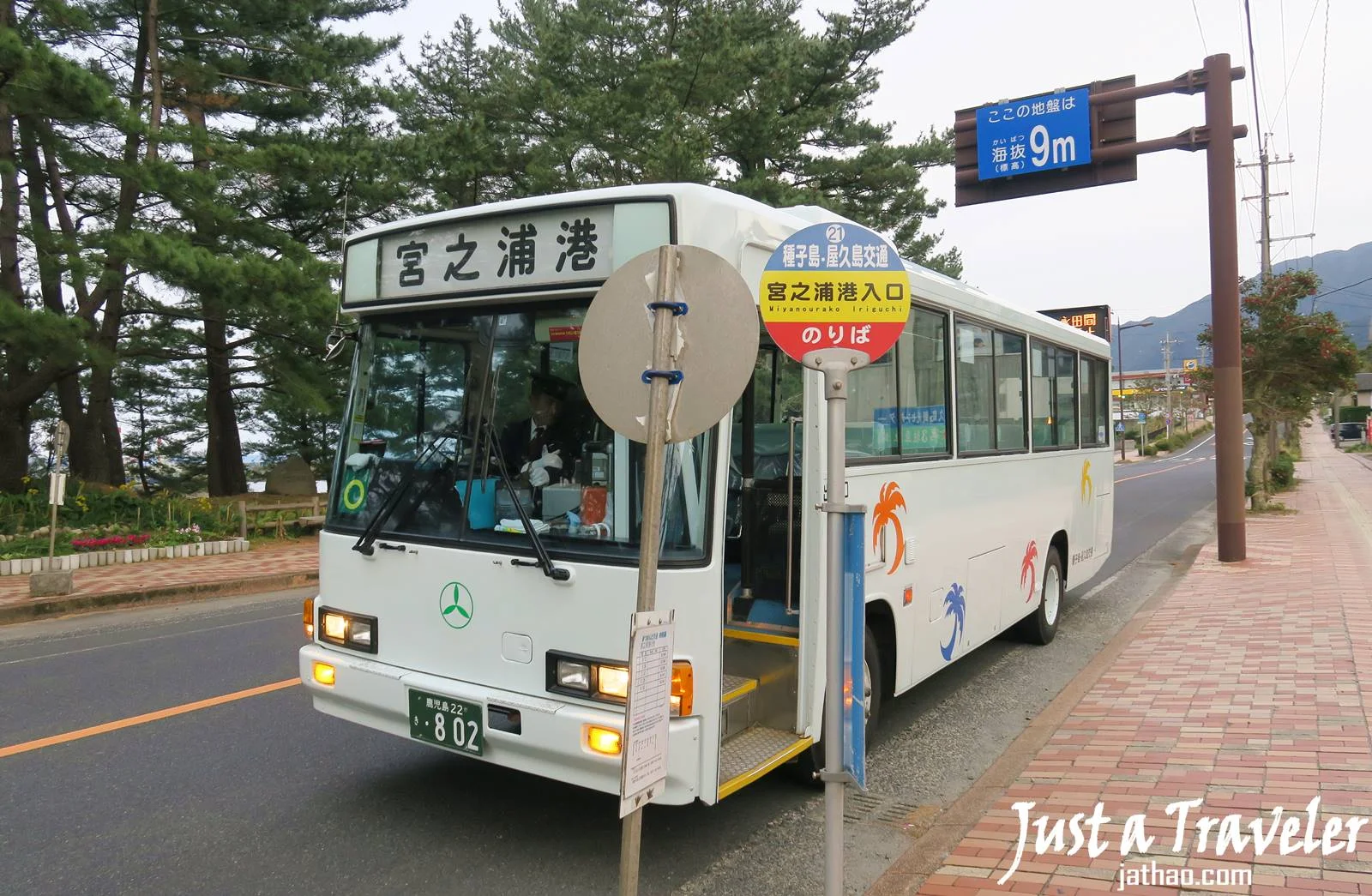
(All bus stop signs across Yakushima display clear stop numbers, so even if you can't read Japanese, you can easily match the numbers to your bus map.)
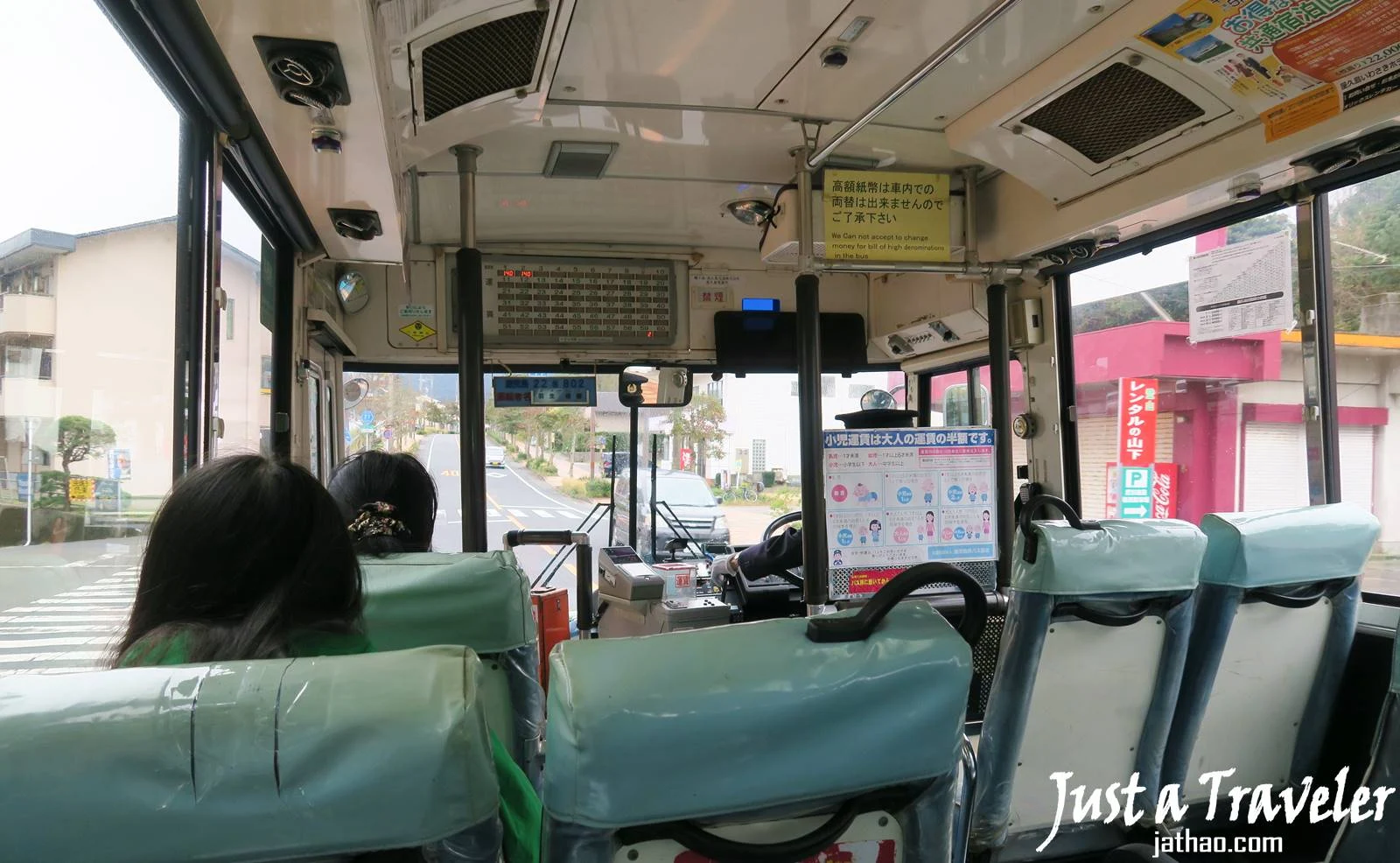
(Riding the bus is straightforward: take a numbered transit ticket [Seiriken] upon boarding from the rear door. Check the electronic screen at the front to see your ticket number's corresponding fare, and pay the driver upon exiting. If you hold a multi-day pass, simply present it to the driver as you step off.)
(2) Matsubanda Kotsu Bus
Next is Matsubanda Kotsu Bus. This company currently operates exclusively along the corridor connecting Miyanoura Port, Shiratani Unsuikyo, Anbo Port, and the Yakusugi Museum (bus stops numbered 20 through 68).
Frequencies are very low—only 2 to 3 trips per day between Miyanoura Port, Shiratani Unsuikyo, and the Yakusugi Museum. Fares are comparable to Tanegashima / Yakushima Kotsu. Detailed fares and schedules are below:
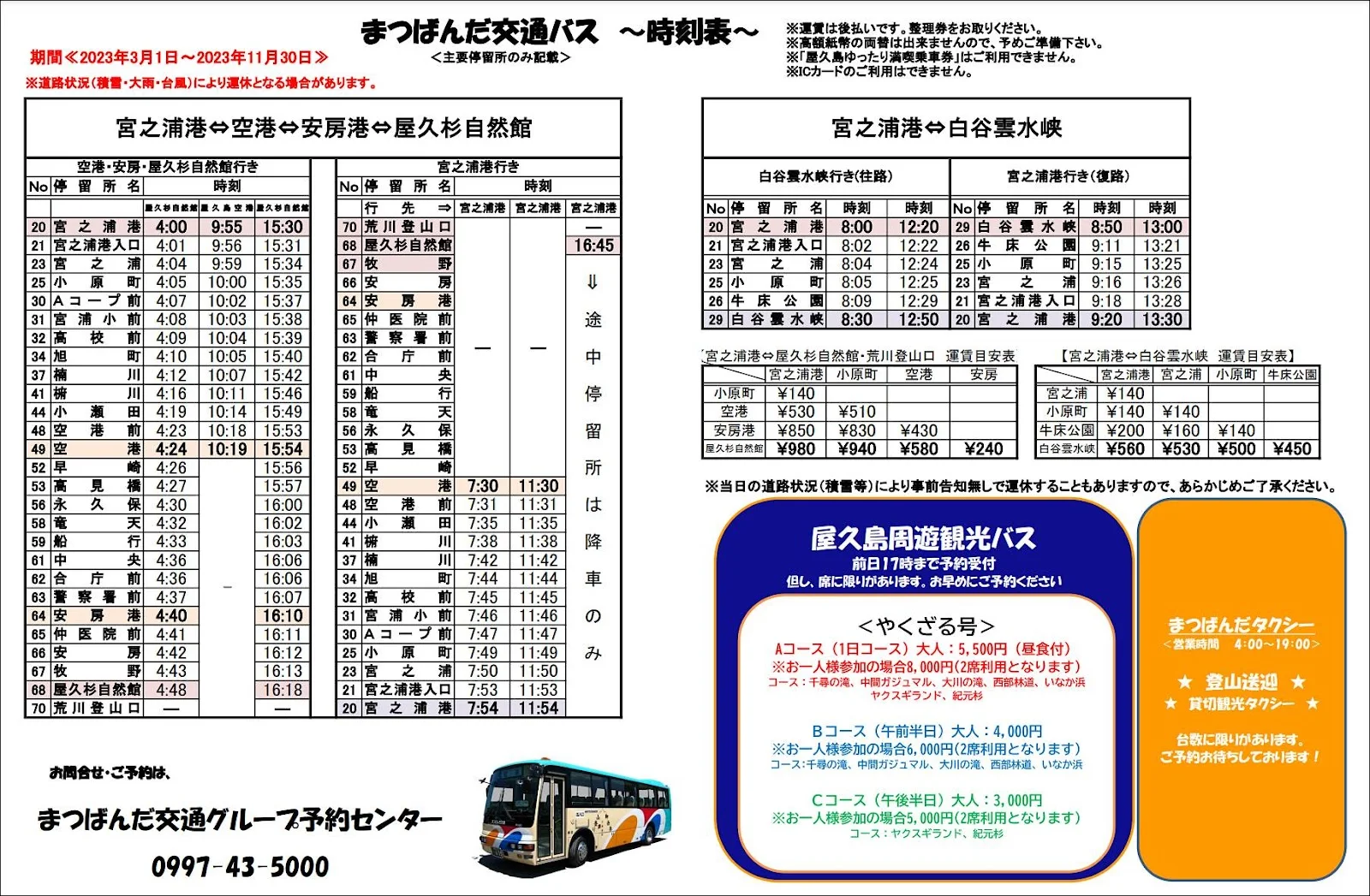
Matsubanda Kotsu also operates a guided sightseeing tour bus called the Yakuzaru Sightseeing Loop Bus (Yakuzaru-go). It runs three day-tour courses (A, B, and C), each exploring different island highlights. It functions like a guided day tour—ideal if you want hassle-free sightseeing without planning transport. Reservations must be made at least one day in advance by phone (0997-43-5000) or via their online booking system.


(Buses from both companies have their corporate names painted clearly on the exterior. Matsubanda Kotsu uses the same payment method: grab a numbered ticket upon boarding, and pay cash or show your pass upon exiting.)
(3) Arakawa Climbing Bus (Arakawa Tozan Bus)
Finally, there is the specialized Arakawa Climbing Bus (Arakawa Tozan Bus) running to the Arakawa Trailhead. This route is exclusively relevant for hikers heading to Jomon-sugi and surrounding high-altitude trails. Because the road up to Arakawa Trailhead is exceptionally narrow and visitor quotas are strictly controlled to protect the environment, private vehicles and regular scheduled buses are prohibited—only the designated Arakawa Climbing Bus and licensed taxis may enter.
Fares are 1,700 JPY one-way and 2,400 JPY round-trip, which includes a mandatory 1,000 JPY Mountain Environmental Conservation Donation. If you plan to camp overnight on the mountain, an additional 1,000 JPY donation is required. Tickets cannot be purchased on the bus; you must buy them in advance at designated island outlets at least one day prior. For ticket counter locations and schedules, consult the Arakawa Tozan Bus Official Website.

(The Arakawa Climbing Bus departs from the Yakusugi Museum [Yakusugi Shizenkan]. To take it, catch a regular bus to the Yakusugi Museum first, then transfer onto the climbing shuttle to Arakawa Trailhead.)
Note: Taxis also operate on the island, but fleet numbers are small, fares are high, and spontaneity is limited. Renting a car or utilizing the buses is generally far more practical. If you require taxi services, refer to the Yakushima Tourism Association directory.
3. Top Yakushima Attractions
Now that you know how to navigate the island, what should you see? Virtually all of Yakushima's premier sights are pure nature: primeval forests, towering waterfalls, sea turtle nesting beaches, and wild seaside hot springs. Here are the top 7 must-visit attractions on Yakushima to help you experience this World Heritage wonderland:
1. Shiratani Unsuikyo Ravine
This is Yakushima's signature highlight and an absolute must-visit for virtually every traveler. It served as the primary visual inspiration for the enchanted forest in Hayao Miyazaki's masterpiece Princess Mononoke. Emerald moss-draped boulders, crystalline mountain streams, atmospheric forest boardwalks, and colossal ancient cedars create an otherworldly fairytale setting you won't ever forget.

(Before entering Shiratani Unsuikyo, visitors pay a 500 JPY forest conservation donation at the entrance to support trail maintenance and ecological protection.)

(Shiratani Unsuikyo offers three main courses ranging from 1 to 4 hours round-trip. The gentlest and most popular route is the Yayoi-sugi Course (Red Route), which I chose. The Orange and Green courses are geared toward serious hikers; the Green Route leads further up toward Miyanouradake summit, passing iconic landmarks like Daio-sugi, Taiko-iwa Rock, and Jomon-sugi.)
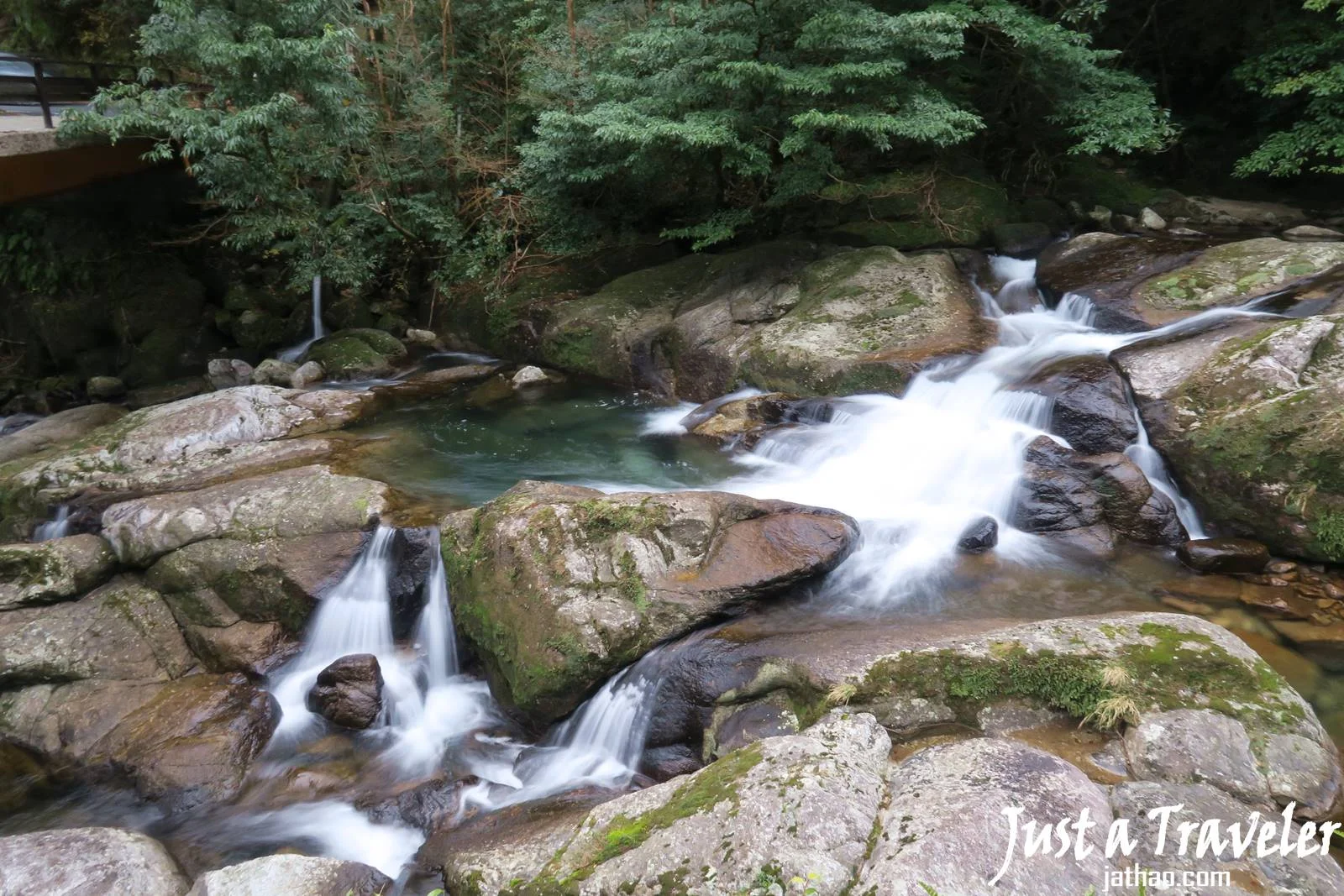


(Walking past babbling brooks, massive granite boulders, hanging footbridges, and deep forest canopies is remarkably soothing. You genuinely feel the immense vitality of undisturbed nature.)


(Countless spots along the trail look exactly like the forest spirits' realm in Princess Mononoke—you half expect little Kodama tree spirits to rattle their heads at any moment!)

(The highlights of this route are two awe-inspiring ancient cedars: the 3,000-year-old Yayoi-sugi and the 2,000-year-old Nidai-osugi. Standing before trees of such venerable age is truly humbling.)
2. Nagata Inakahama Beach
Nagata Inakahama Beach is one of the rare major nesting grounds for loggerhead sea turtles worldwide, and the number one turtle nesting site in Japan. The turtles that come ashore here account for 30–40% of all loggerheads nesting in the country. Between May and July, numerous turtles crawl onto this 1-kilometer pristine sandy beach under the cover of night. By day, the water is crystal-clear and inviting—making it Yakushima's top coastal destination.


(Nagata Beach boasts some of the most striking coastal vistas on Yakushima and serves as a popular hotspot for snorkeling, scuba diving, and stand-up paddleboarding (SUP). Nearby, you can also visit the historic Yakushima Lighthouse.)
3. Jomon-sugi Cedar
Yakushima is celebrated for its centuries-old cedars, and Jomon-sugi is the undisputed ancient monarch of the island. Estimated to be over 7,000 years old, it is Yakushima's most revered natural icon. Reaching it is an arduous trek requiring roughly 10 hours round-trip, making it suitable for travelers with good physical stamina and hiking preparation. If you relish mountain challenges, it's an unforgettable pilgrimage!


(Several trails lead to Jomon-sugi, but most hikers start from the Arakawa Trailhead mentioned earlier. Along the way, you'll pass iconic landmarks like Okina-sugi, Wilson's Stump [famous for its heart-shaped opening when viewed from inside], Nio-sugi, and Meoto-sugi.)
4. Oko Falls (Oko-no-Taki)
Oko Falls is the largest waterfall on Yakushima and the grandest in all of Kyushu, plunging 88 meters down a shear rock face. Selected as one of "Japan's Top 100 Waterfalls," its roaring cascades are thoroughly breathtaking. Nearby, the natural spring water "Oko Yusui" is ranked among Japan's Top 100 Spring Waters, reputed to promote health—don't forget to take a sip!

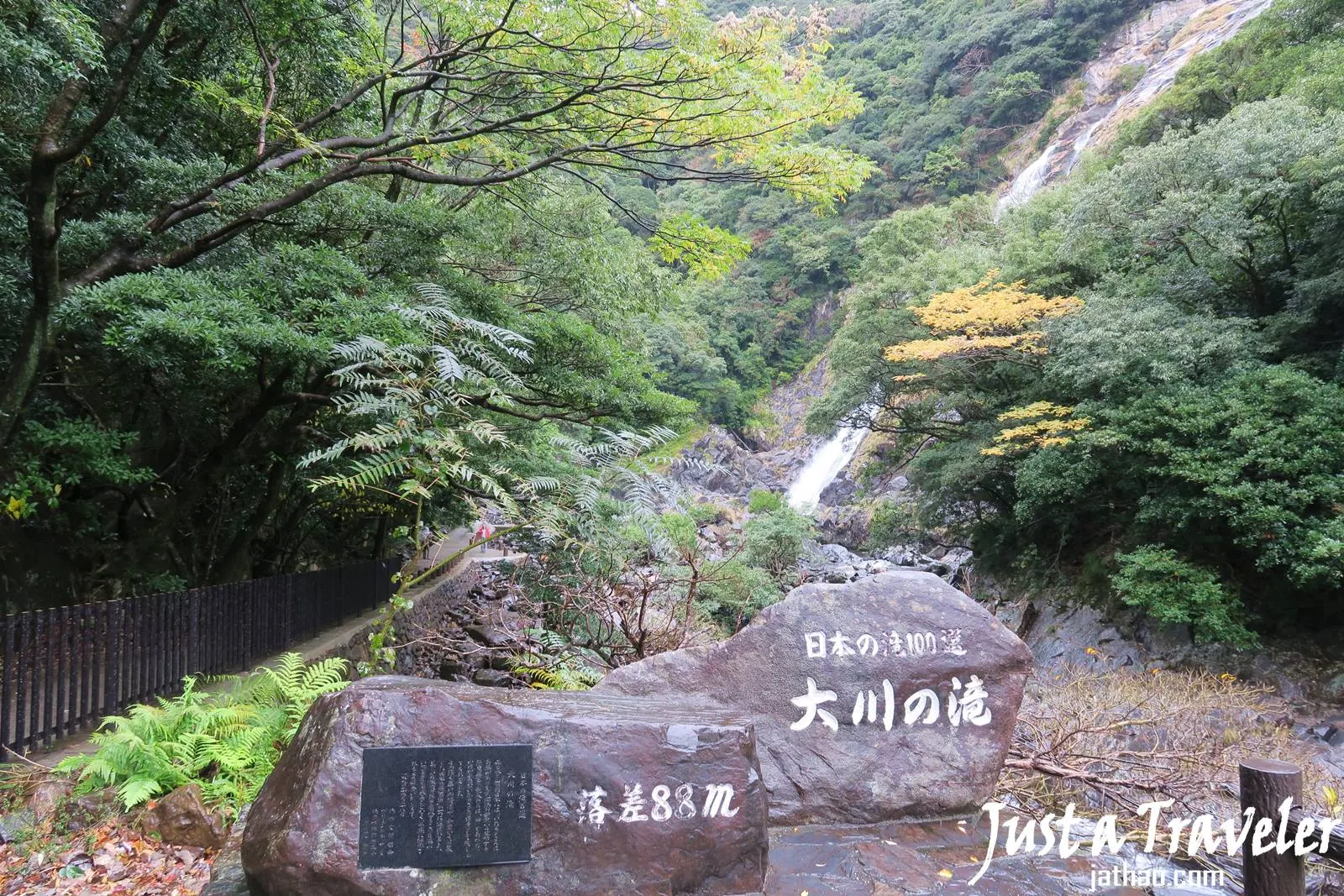
(I knew Yakushima was one of Japan's wettest regions—in fact, its single-day rainfall has once matched Hokkaido's entire annual precipitation! Sturdy rain gear is an absolute must-have. When I visited Oko Falls, rain began to fall, but the surge in water made the falls look even more majestic and roaring.)


(The viewing platform at Oko Falls sits remarkably close to the spray, letting you feel the roaring thud and cooling mist firsthand. On sunny afternoons, visitors often catch vivid rainbows arching through the spray. If you love waterfalls, other famous island cascades like Senpiro Falls and Toroki Falls are also well worth adding to your itinerary.)
5. Hirauchi Kaichu Onsen (Seaside Hot Spring)
Beyond lush forests and beaches, Yakushima features remarkable onsen! The most distinctive is Hirauchi Kaichu Onsen, a natural sulfur thermal spring bubbling up directly from the ocean bedrock. It can only be enjoyed during a roughly 2-hour window around low tide twice a day. The facilities are as rustic as it gets (essentially rocky natural hollows formed by the sea), yet this untamed ambiance attracts bathers from all over. Keep in mind: there are no changing rooms, and swimwear is strictly prohibited—so prepare to embrace nature in the buff!

(Yakushima has quite a few hot springs. In addition to wild tidal pools like this, you can visit Yudomari Onsen, Kusugawa Onsen, Onoaida Onsen, Yakushima Onsen at the JR Hotel, and Yunokawa-no-Yu for relaxing soaks.)
6. Yakusugi Land
Ancient cedars on Yakushima are collectively called "Yakusugi," and Yakusugi Land is the premier nature park for admiring them up close on well-maintained paths. The park features four loop trails ranging from 30 minutes to 3 hours, allowing hikers of all fitness levels to participate. Along the way, you will cross wooden bridges over clear mountain torrents and marvel at gigantic mossy cedar specimens—a wonderful place to bathe in forest phytoncides!
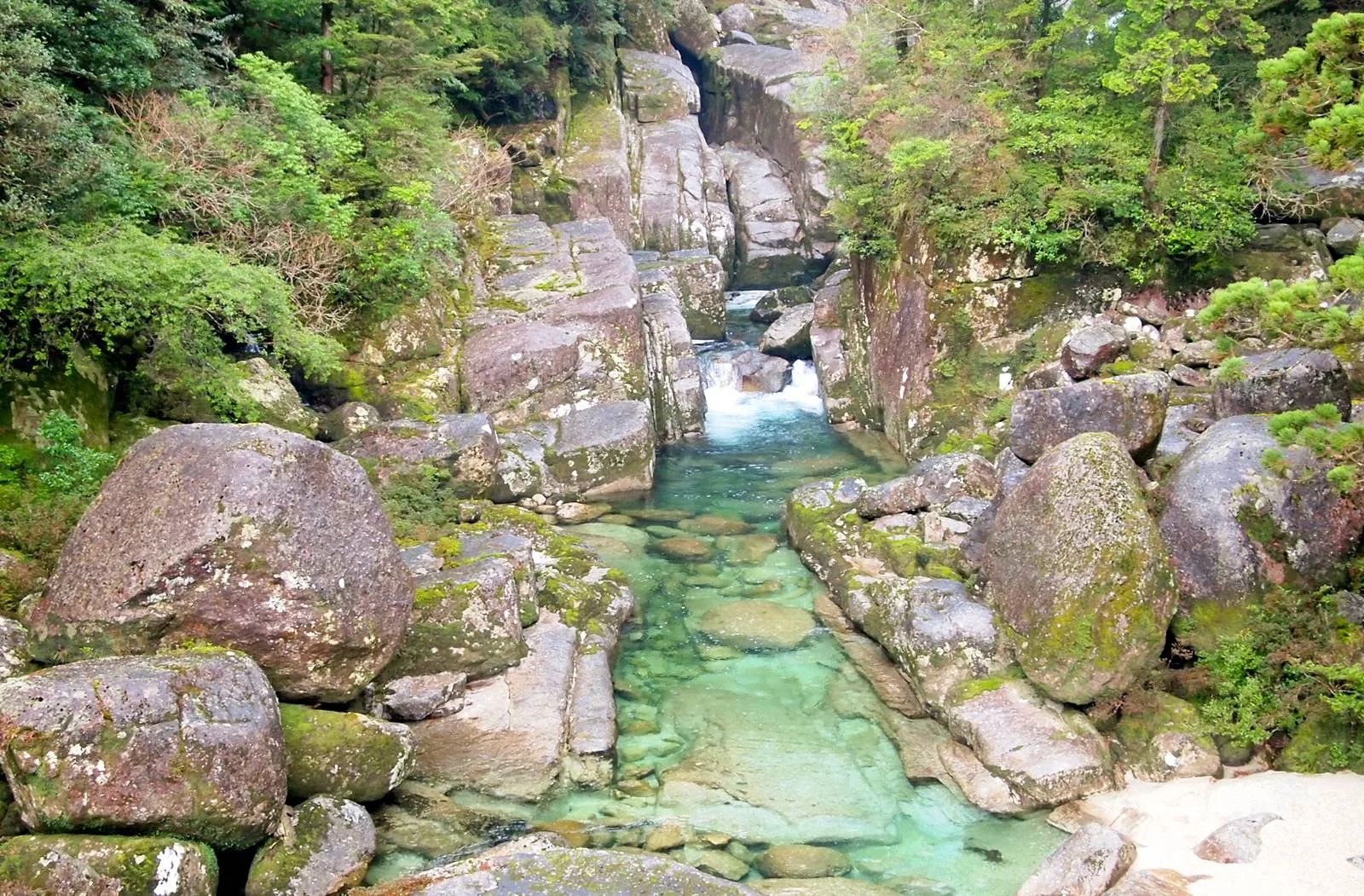


(Within the reserve stand remarkable designated cedars like Buddha-sugi, Haha-ko-sugi, Oda-sugi, Futago-sugi, Jamon-sugi, and Kigen-sugi, many exceeding 1,000 years in age. Stepping into this primeval sanctuary makes you feel delightfully small in the presence of timeless nature.)
7. Seibu Rindo Forest Path (Western Forest Road)
On the western edge of Yakushima lies a coastal road known as the Seibu Rindo Forest Path. Because humans have never settled this rugged region, it preserves an untouched coastal subtropical broadleaf forest ecosystem, mostly included within the UNESCO World Heritage area. Driving through feels like entering a lush "green tunnel" of dense evergreen trees. If you're lucky, you'll encounter wild Yakushima macaques (Yaku monkeys) and Yaku sika deer foraging right along the road!
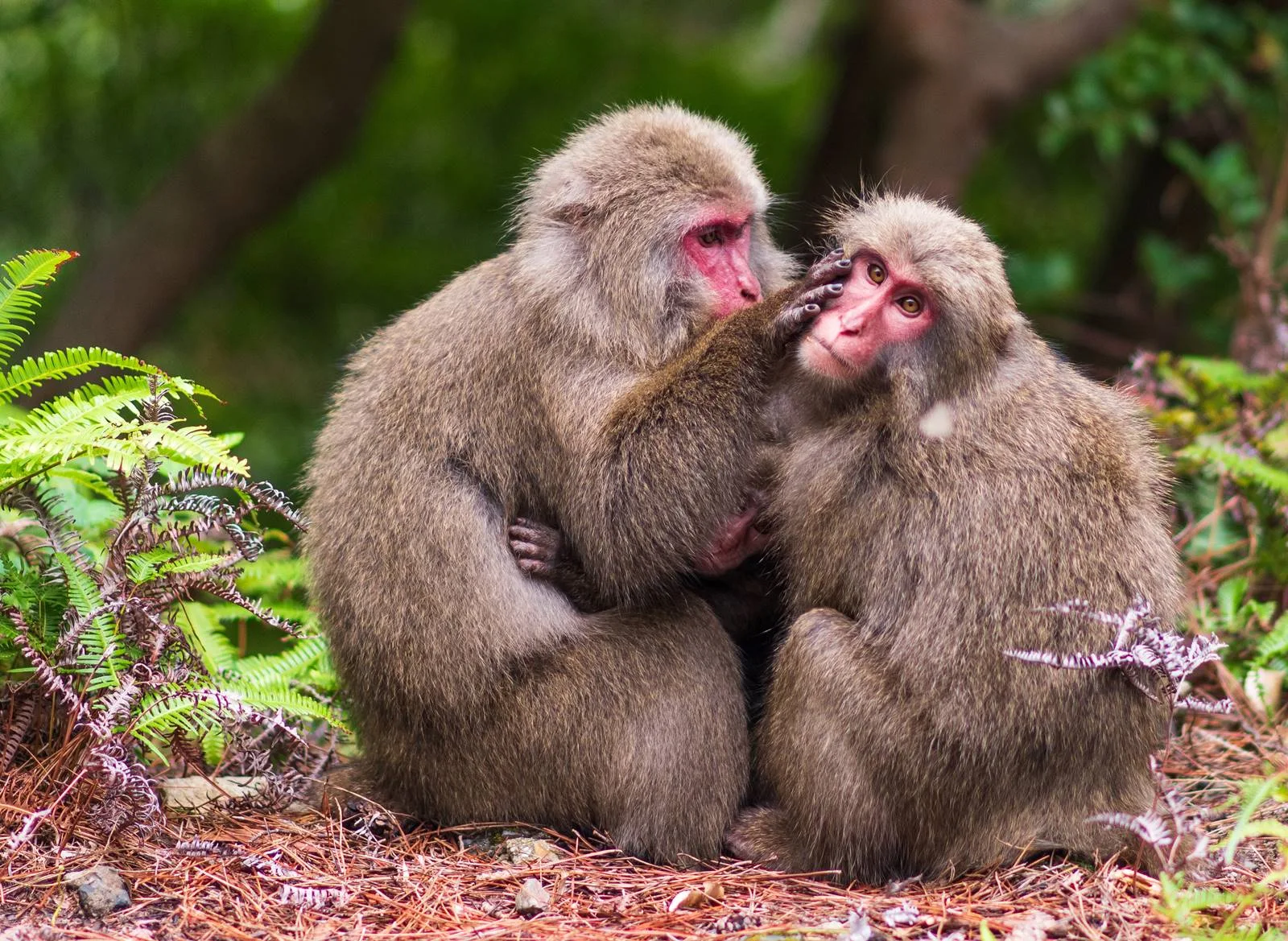
(There are no public bus services along Seibu Rindo, so it is primarily accessible to travelers doing a self-drive road trip around the island.)
If you have extra time to explore deeper, consider adding Taiko-iwa Rock, Kyushu's highest peak Mount Miyanoura (Miyanouradake), the Yakusugi Museum, or the Yuhi-no-Oka Sunset Viewpoint to your itinerary.

(Near Miyanoura Port, the Yakushima Environmental and Cultural Village Center houses a comprehensive Tourist Information Center stocked with maps, transit tables, and food recommendations—well worth popping in when you arrive.)
4. Where to Stay on Yakushima: Accommodation
Due to ferry schedules, flight timings, and local transit logistics, attempting to cover Yakushima on a day trip is extremely difficult. Most travelers stay at least two days and one night, while hikers tackling mountain summits will need several days. Choosing the right Yakushima accommodation is a key part of your trip planning.
Lodgings are scattered along the coastal ring road, but total capacity is limited (remember, it's a remote island!). Most hotels and guesthouses are clustered around Miyanoura Port and Anbo Port. Miyanoura Port has more restaurants, shops, and boat connections, making it the most practical base for first-time visitors.
Top-rated and popular stays include Yakushima Seaside Hotel, Wa no Cottage Sen-no-Ie, Tashiro Annex, and Cottage Morino Kokage.
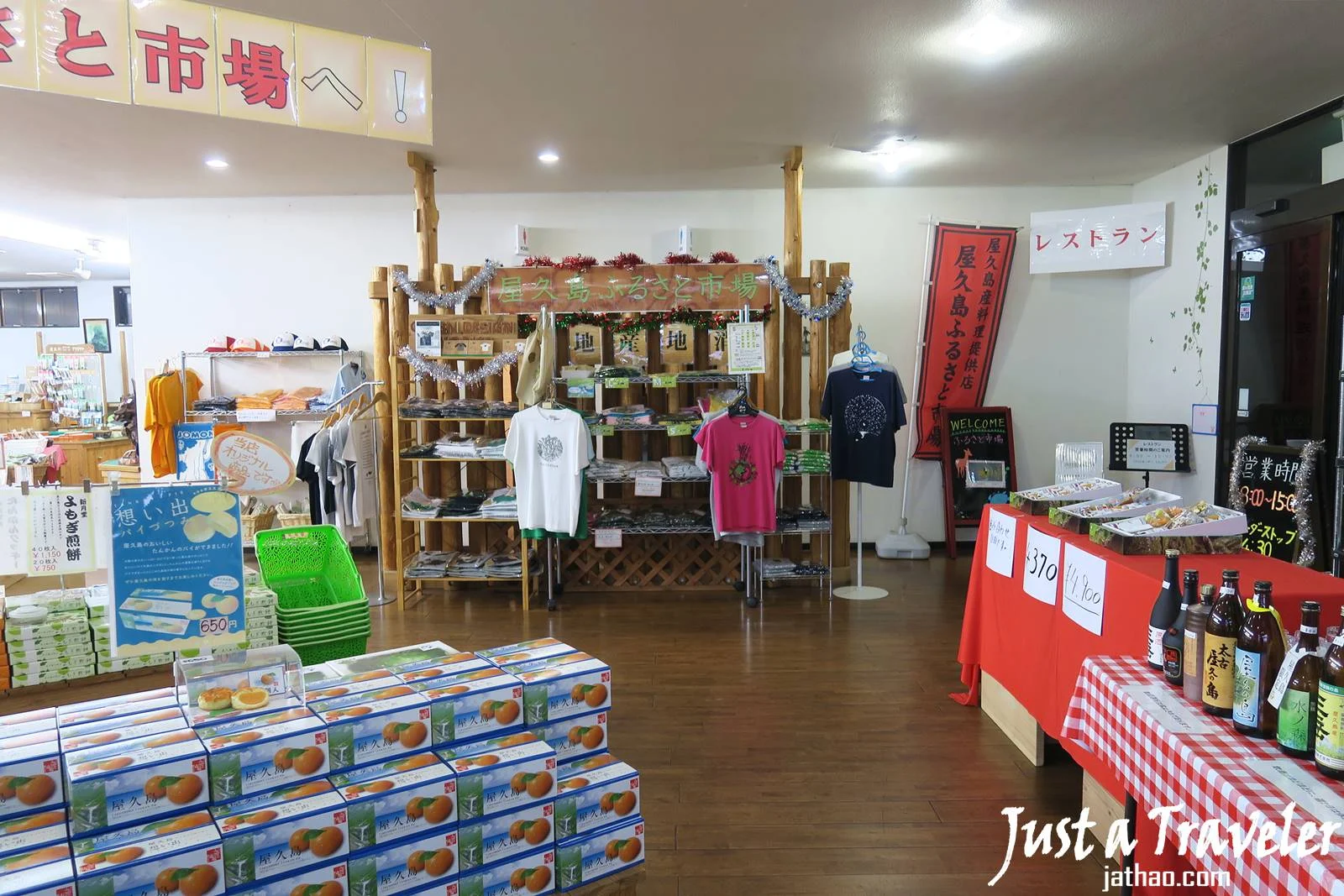
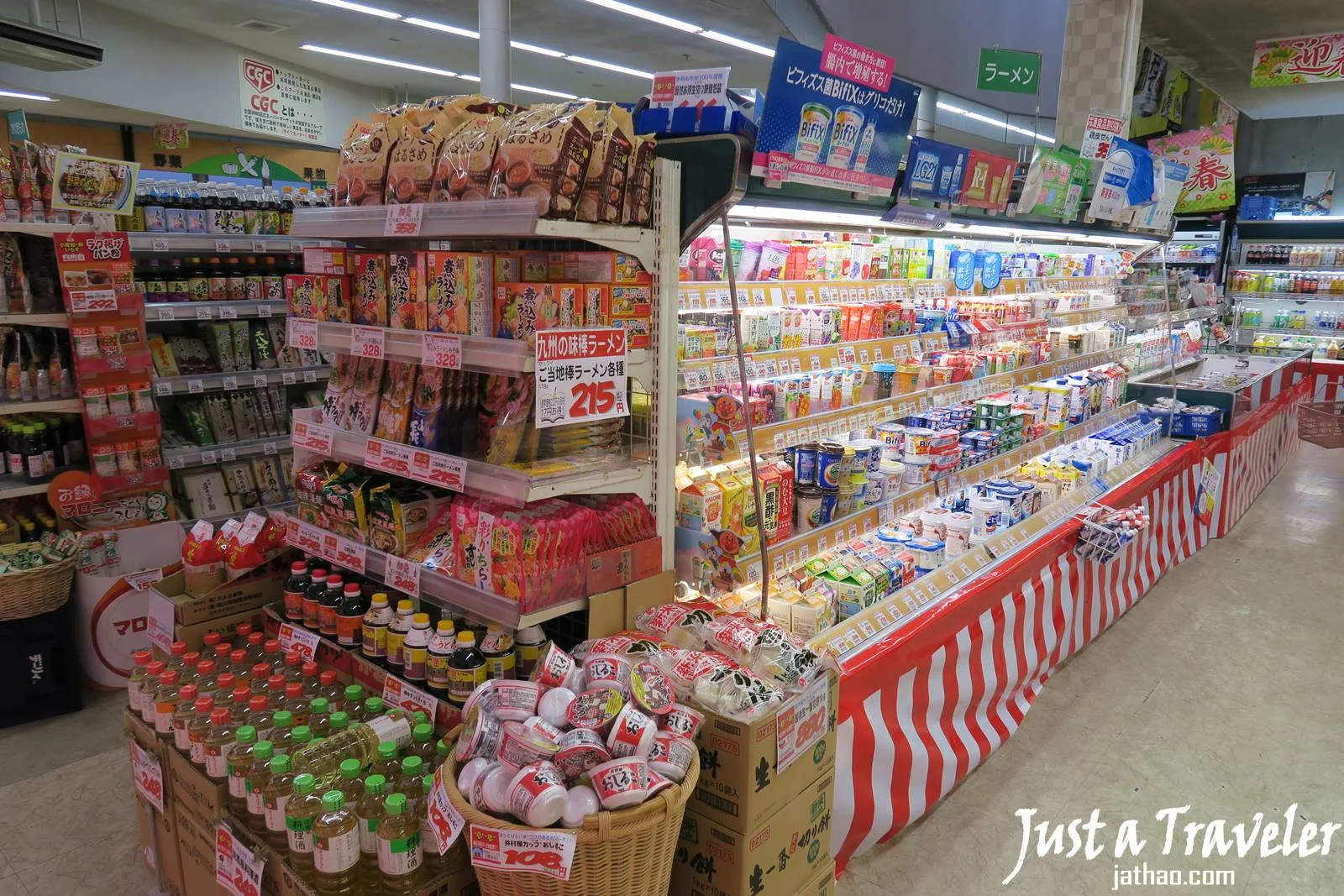

(While hotel rooms are limited, choices span all budgets: large seaside resorts, traditional ryokan with hot spring baths, self-catering log cabins, and homestyle minshuku. Towns near the ports feature supermarkets, izakayas, casual diners, and gift shops to keep you well stocked.)
5. Yakushima Cuisine, Activities & Souvenirs
Finally, what about local delicacies, activities, and specialty souvenirs? The local tourism board created this charming illustrated overview of Yakushima's signature specialties and seasonal highlights:

(I visited Yakushima in January during the ponkan mandarin harvest, and fresh citrus was sold everywhere. Each season brings its own local produce. Flying fish [Tobiuo] is the island's premier seafood catch—you'll see deep-fried flying fish bento boxes and dried fish jerky in almost every diner and grocery store. Be sure to try it!)
Yakushima remains wonderfully wild, untamed, and free from over-commercialization compared to mainland Kyushu. For anyone who cherishes nature, hiking, and ancient forests, visiting this mythical setting that inspired Princess Mononoke is an unforgettable experience!