
SUNQ PASS|The Ultimate Bus Ticket for Kyushu Travel
When traveling around Kyushu, if the Kyushu JR Rail Pass is the holy grail for train journeys, then the SUNQ PASS is undeniably the ultimate magic ticket for exploring by bus! Issued by the Nishitetsu Group, the SUNQ PASS grants international visitors unlimited rides on highway buses, 99% of local city buses, and even select ferries across Kyushu and Shimonoseki. Armed with a SUNQ PASS, your transportation costs across Kyushu are virtually covered!
In this comprehensive guide, I will break down everything you need to know about the types of SUNQ PASS, ticket prices, valid coverage areas, special attraction discounts, purchasing methods, and essential travel tips. Get ready to travel across Kyushu with total ease!

1. SUNQ PASS Types & Pricing
When it comes to SUNQ PASS types and prices, the official diagram makes it remarkably straightforward. There are currently 5 versions available: Northern Kyushu 2-Day, Northern Kyushu 3-Day, Southern Kyushu 3-Day, All Kyushu 3-Day, and All Kyushu 4-Day. Here are the details:

| Pass Type | Price | Validity | Coverage Area |
| Northern Kyushu 2-Day | JPY 8,000 | Any 2 days within 3 consecutive days | Unlimited rides on highway express buses, local city buses, and 5 ferry routes across Shimonoseki, Fukuoka, Saga, Nagasaki, Oita, and Kumamoto. |
| Northern Kyushu 3-Day | JPY 10,000 | 3 consecutive days | |
| Southern Kyushu 3-Day | JPY 8,500 | 3 consecutive days | Unlimited rides on highway express buses, local city buses, and 1 ferry route across Kumamoto, Miyazaki, and Kagoshima. |
| All Kyushu 3-Day | JPY 12,000 | 3 consecutive days | Unlimited rides on highway express buses, local city buses, and 6 ferry routes throughout all of Kyushu and Shimonoseki City in Yamaguchi Prefecture. |
| All Kyushu 4-Day | JPY 15,000 | 4 consecutive days |
One crucial thing to keep in mind: a "day" on the SUNQ PASS does not mean 24 rolling hours, nor does it cut off with the day's final scheduled run. Instead, the pass day resets every morning at 3:00 AM. For instance, if you activate a 3-Day Pass on Day 1, it remains valid until 2:59 AM on Day 4! This means boarding or disembarking a bus around midnight or 1:00 AM going into Day 4 is completely covered. Here is the official diagram explaining the validity window:

(The Northern Kyushu 2-Day Pass has a unique flexibility: you can pick any 2 days out of a 3-consecutive-day window. If your itinerary involves heavy bus travel only on Day 1 and Day 3, this pass saves you from having to purchase an entire 3-Day Pass!)
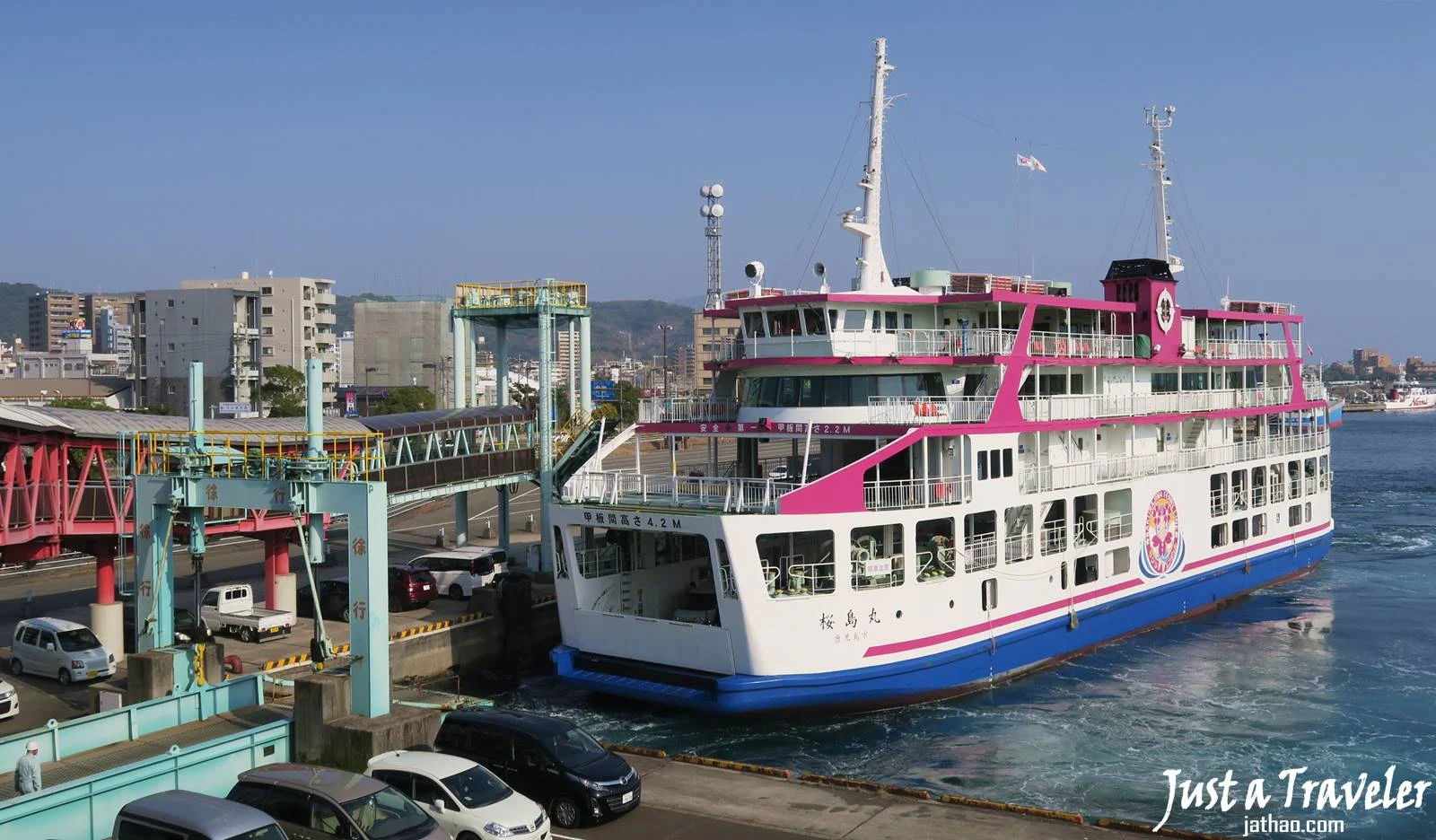
(Even the iconic Sakurajima Ferry accepts the SUNQ PASS!)
2. Coverage Areas & How to Ride
As mentioned, you can hop on nearly any city bus within the covered prefectures with peace of mind. The main routes you'll want to map out are the intercity highway express buses and designated ferry routes. Here is the full overview of valid routes:
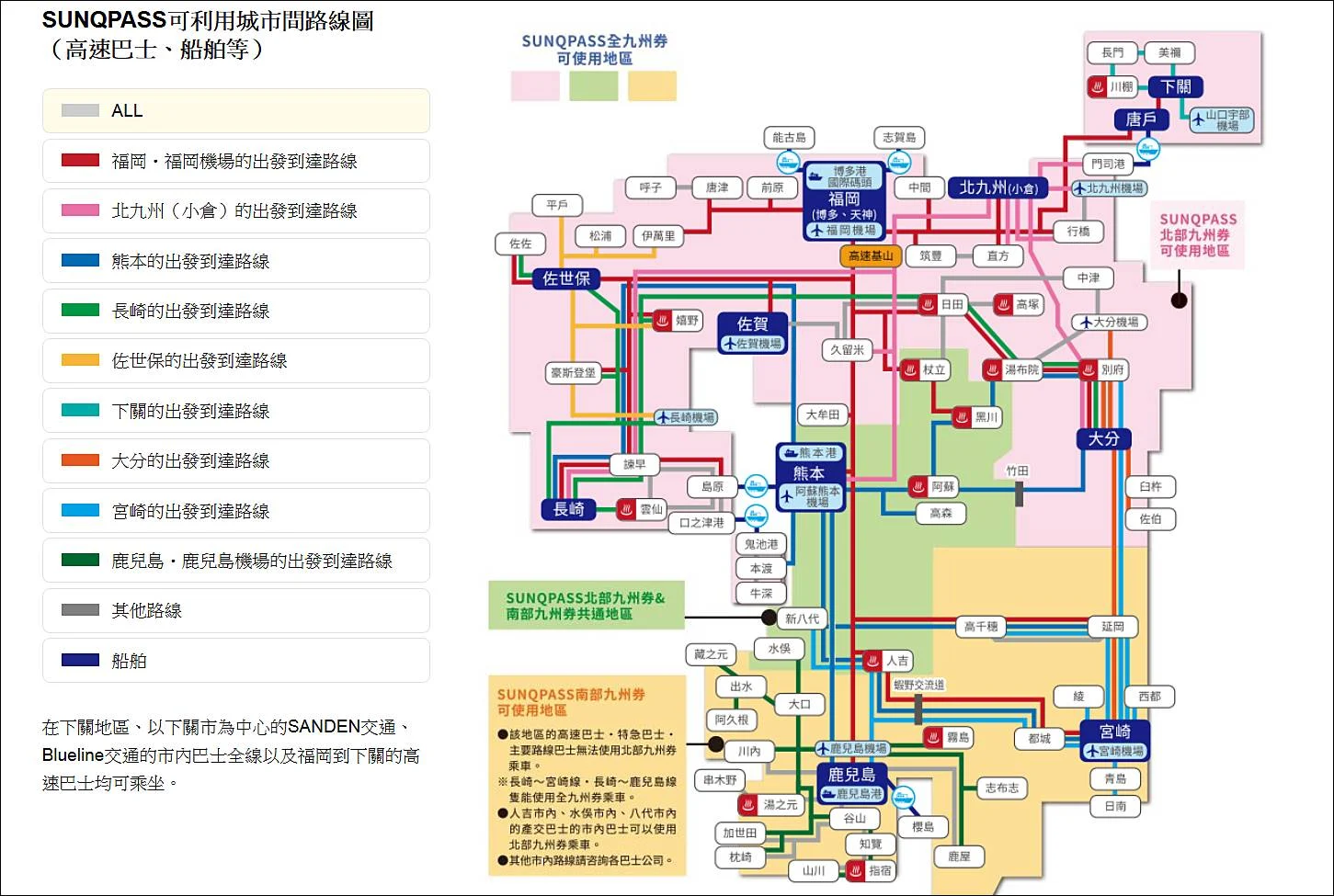
Kumamoto sits right at the junction between Northern and Southern Kyushu, meaning both regional passes are accepted here. However, if your highway bus journey travels across both regions (such as Fukuoka to Kagoshima, or Miyazaki to Oita), you must hold an All Kyushu SUNQ PASS.
For bus timetables, journey durations, seat reservation requirements, and booking channels, check out the official SUNQ PASS Highway Bus Route List and the Highway Bus Reservation System (online, phone, and ticketing counter options).
In addition, there are 6 covered ferry routes indicated by ferry icons on the map. These are exceptionally practical routes, connecting Kagoshima to Sakurajima, Mojiko to Shimonoseki, and Kumamoto to Shimabara. Below is the detailed breakdown of ferry ports and routes:
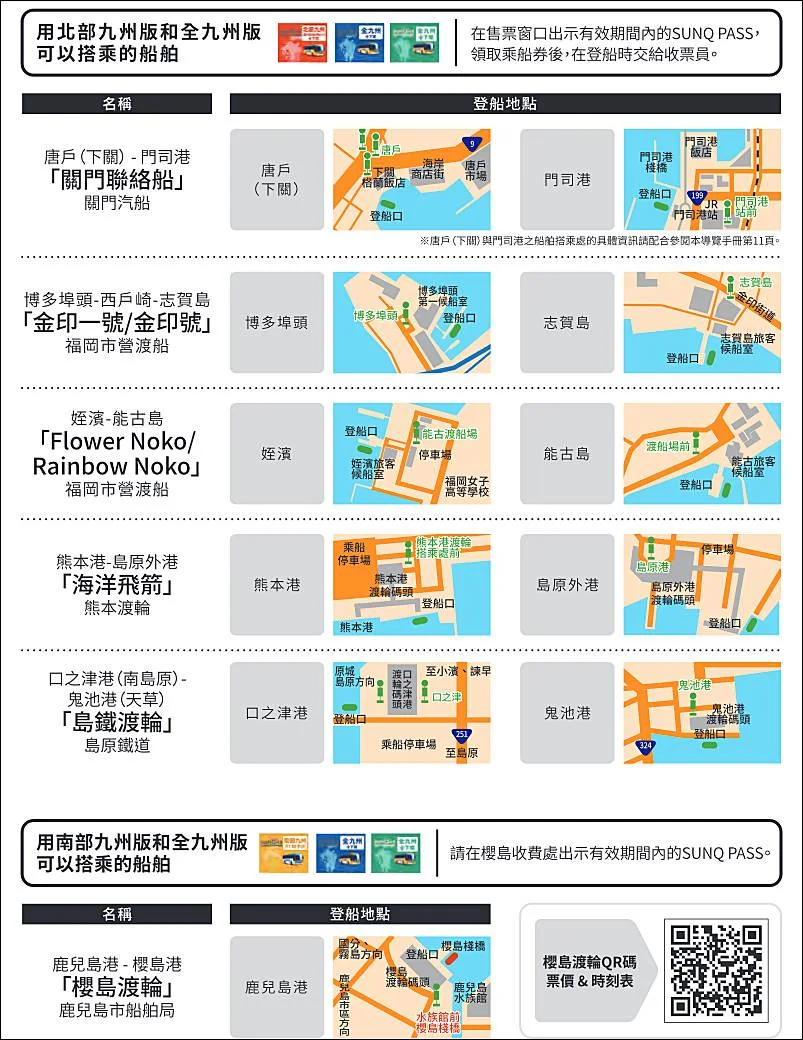
Still wondering whether a specific route accepts the pass, or which version you need? There is an effortless way to verify: participating buses display SUNQ PASS stickers on the front windshield and beside the boarding doors, while ferry terminals display them at ticket booths and boarding areas. The stickers explicitly indicate which pass version applies.

(The four types of SUNQ PASS stickers)
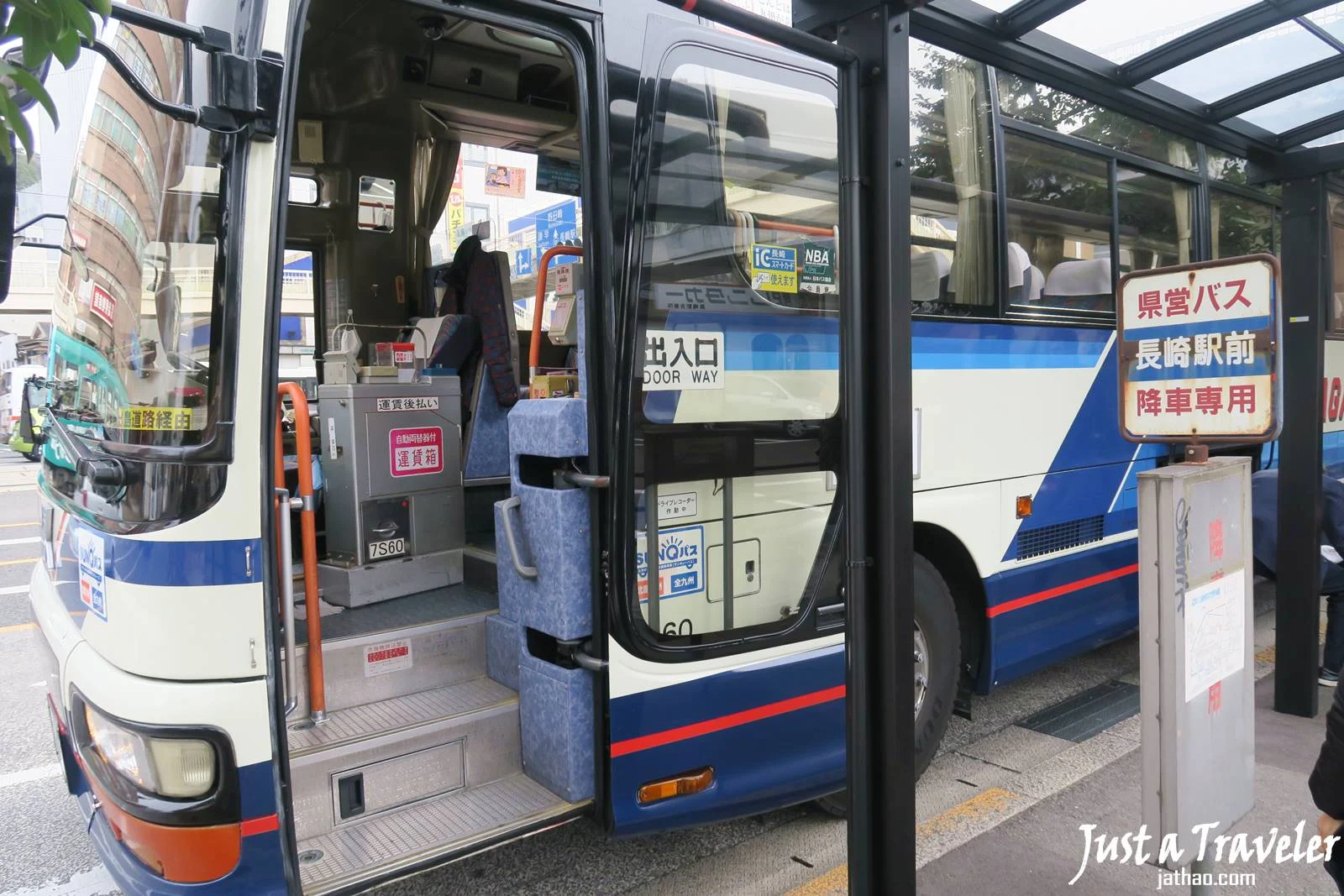

(Aside from reserved-seating highway buses, local city buses work just like regular daily commuting: pull a numbered ticket when getting on, and simply show your SUNQ PASS to the driver when hopping off—no payment required. For ferries, present your pass at the ticketing counter to receive a boarding pass before heading onto the boat.)
3. Extra Discounts & Perks
Beyond transportation savings, the SUNQ PASS includes 15 coupon vouchers usable throughout Kyushu, covering special discounts at roughly 140 popular attractions, restaurants, and hotels. You can browse the complete list of participating venues and deals on the official SUNQ PASS Special Benefits/Services page or the Kyushu Sightseeing Guidebook.
These discount coupons cover a fantastic lineup: the Kyushu Railway History Museum in Shimonoseki and Mojiko; Fukuoka Tower and Dazaifu Tenmangu in Fukuoka; the Nagasaki Atomic Bomb Museum and Kujukushima Island Cruise in Nagasaki; the Beppu Hells Tour Combo Ticket in Oita; the Sakurajima Magma Onsen in Kagoshima; Kumamoto Castle in Kumamoto, and many more. Between the unlimited rides and these sight-seeing perks, it truly earns its reputation as Kyushu's bus holy grail!

(Oita's renowned Hells of Beppu (Jigoku Meguri) offers combo ticket discounts with the SUNQ PASS!)
4. How to Buy the SUNQ PASS
Getting your hands on a SUNQ PASS is simple, with options split mainly between online/in Japan directly and booking through authorized travel agencies:
1. Official Website & Purchasing in Japan
The easiest official route is through Nishitetsu's dedicated online ticketing platform. Simply register an account, complete your payment by credit card, and you'll receive a digital voucher via email. Clicking the link displays your mobile e-ticket. You can also refer to the official purchase walkthrough guide.
Alternatively, you can buy passes in person across Shimonoseki and Kyushu at major bus terminals, customer service centers, ticketing desks, the Fukuoka Airport International Terminal, and select tourist information centers. For a complete list of locations and opening hours, consult the SUNQ PASS Sales Counters list.

(Fukuoka Airport International Terminal has a SUNQ PASS counter situated just to the front-right after customs clearance. They handle ticket purchases and exchanges right as you touch down, with multilingual staff on hand.)
Keep in mind that regional counter restrictions apply: counters in Kagoshima and Miyazaki do not sell Northern Kyushu passes, while counters in Yamaguchi and Oita do not carry Southern Kyushu passes.
Furthermore, digital passes (e-tickets only) can be purchased at designated travel agencies across Japan (such as Nishitetsu Travel, JTB, KNT, Nippon Travel Agency) and convenience store chains (including 7-Eleven, Lawson, and FamilyMart).
2. Purchasing Through Online Travel Platforms
Booking online through platforms like KKday for the Kyushu SUNQ PASS or Klook for the SUNQ PASS Bus Ticket is easily the most popular approach. Prices on these platforms are frequently discounted compared to standard domestic Japanese counter rates!

(Just outside the airport terminal, an entire row of bus stops awaits—and virtually every bus accepts the SUNQ PASS. Covering 99% of Kyushu's bus network is where this pass truly shines!)
5. Important SUNQ PASS Tips & Rules
1. Overnight Buses: For overnight bus services across Kyushu (e.g., Fukuoka–Kagoshima or Oita–Kagoshima lines), pass validity is calculated based on the departure day. Even if your bus arrives after 3:00 AM on the morning after your pass expires, your trip remains completely valid.
2. Refund Policy: Refunds are permitted up until the day before your designated start date. Once the start date arrives, refunds cannot be processed under any circumstances.
3. Child Fares: There is no dedicated child edition of the SUNQ PASS. However, individual highway and city bus fares for children are generally half-price. Calculate your itinerary costs beforehand to determine whether buying an adult SUNQ PASS for a child is truly cost-effective.
4. Cancellations: Completely unused digital passes can be cancelled within 3 months of the purchase date, subject to a small cancellation handling fee of JPY 110 per ticket.

That wraps up my complete guide to traveling Kyushu with the SUNQ PASS! If your itinerary involves frequent bus travel over several days—especially across longer expressway routes—this pass provides immense value and convenience. On the other hand, if you're exploring within a single city or prefecture, regional 1-day bus passes may suit you better. Match the pass to your schedule, and happy travels around Kyushu!