
Zakimi Castle Ruins — A World Heritage Site Overlooking the West Coast.
After finishing my scuba diving at Cape Maeda, I was fortunate enough to have the owner of our local hostel take me and two Dutch travelers on an exploration of nearby spots. We visited the Kina area, Zakimi Castle Ruins, Onna-no-Eki Nakayukui Market, Bios Hill (Bios no Oka), and Shima Maruminu Kawaraya in Zakimi. These are authentic Central Okinawa gems that feel much less touristy and are genuinely frequented by locals. So many fun and surprising moments happened along the way—here is the story of our memorable day trip!
1. Zakimi Castle Ruins (座喜味城跡)
When it comes to Yomitan Village in Okinawa, the two most famous landmarks besides Cape Zanpa are without question the Zakimi Castle Ruins.
Alongside Shuri Castle, Shikinaen Garden, and the Nakijin Castle Ruins, Zakimi Castle Ruins is recognized as a UNESCO World Heritage Site. Originally built around 600 years ago during the Ryukyu Kingdom period as a military fortress, historical accounts also suggest that Lord Gosamaru, the lord of Yamada Castle 4 km to the northeast, dismantled Yamada Castle and transported its stones here while serving as the Northern Mountain Warden (Hokuzan Kanshu).
Because it was designed as a fortress, its craftsmanship was second to none, and its intricate stone masonry remains legendary to this day. Although only the stone ramparts survive, you can climb up to take in expansive vistas of the west coast. On clear days, you can even spot the distant Kerama Islands out at sea. Strolling along the picturesque wooded paths outside the castle walls is an equally delightful experience!
♁ Address: 708-6 Zakimi, Yomitan, Nakagami District, Okinawa, Zakimi Castle
♁ Transport: Take bus #29, get off at "Zakimi" bus stop, and walk for about 15 minutes (Detailed Guide | Car Rental & Driving)
♁ Admission: Free
♁ Official Website: Zakimi Castle Ruins
♁ Find Accommodations: Booking︱Agoda︱Hotels︱Expedia (Compare Prices | Where to Stay)

(The pine forest footpath outside Zakimi Castle is incredibly peaceful and relaxing to walk through!)

(Zakimi Castle Ruins is open to the public for free, so there is no ticket booth. Right next to the entrance, however, sits the Yomitan Village Historical Folk Museum and Art Museum, where you can learn a lot about local history and folklore. The raised building on the left is a traditional "Takakura" granary, elevated off the ground for ventilation and to protect grains from moisture and rodents.)

(According to our local host, the biggest difference between Ryukyuan castles and mainland Japanese castles is that Ryukyuan walls are never rigid squares—they curve organically along natural topological contour lines. After touring various gusuku ruins across Okinawa, I found this to be true everywhere.)

(The ramparts of Zakimi Castle are crafted from coral limestone. Historical records note they reach up to 14 meters high and are nine paces wide—broad enough for 5 to 6 adults to walk abreast. These massive, sturdy walls are the castle's defining architectural signature.)
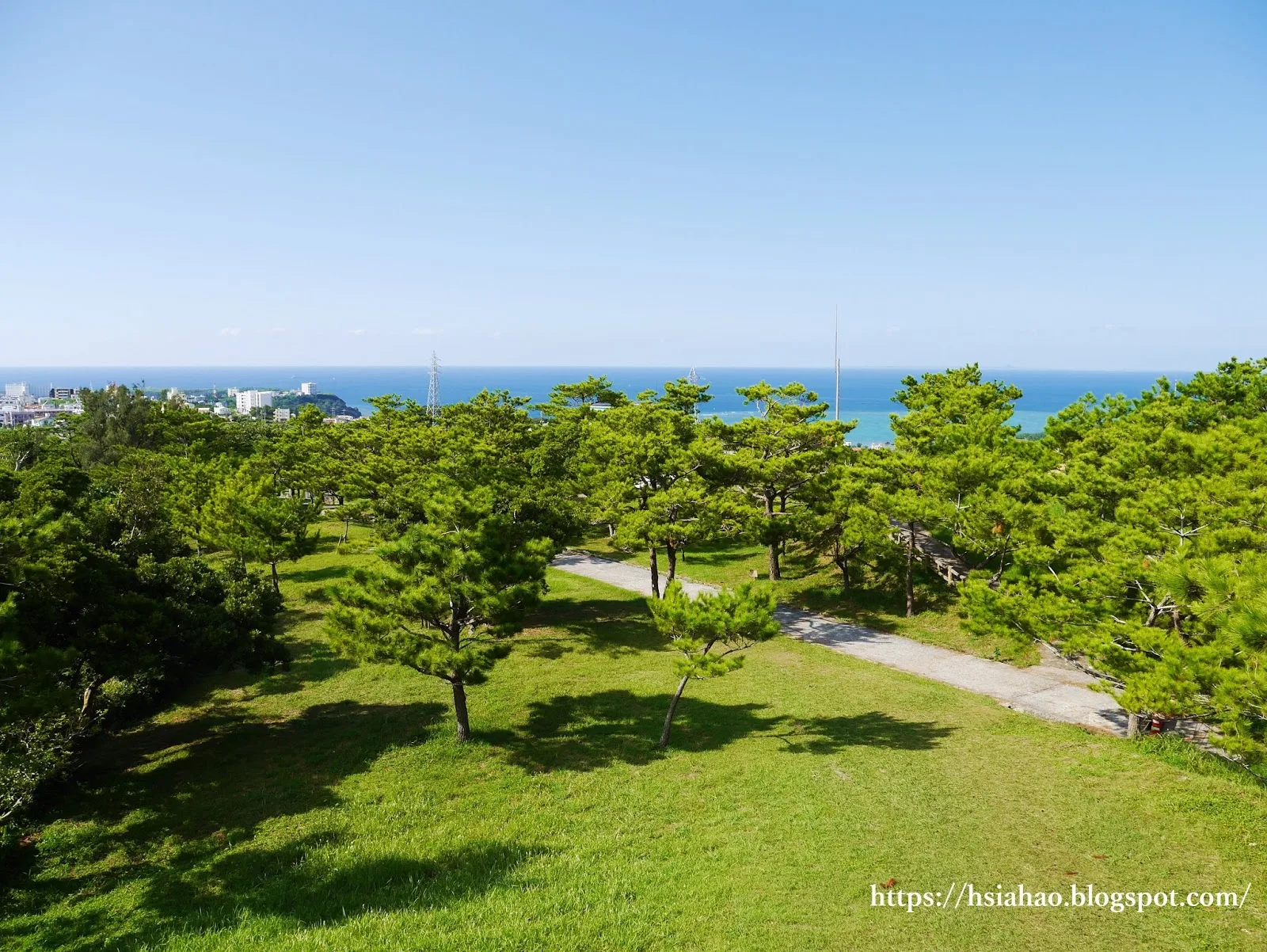
(Perched on elevated ground, Zakimi Castle commands fantastic 360-degree views, looking out towards Yomitan Village to the east and the shimmering ocean to the west. Much like American Village, Cape Zanpa, Manzamo, and Naminoue Shrine, it is a celebrated spot for watching golden sunsets.)

(Our host mentioned this was actually his first time seeing a bride and groom posing for wedding photos here! Okinawa has so many dreamy photography spots, such as Kouri Island, Busena Marine Park, and even sacred places like Sefa Utaki.)

(On clear sunny days, Zakimi Castle is stunningly photogenic. Many travelers like to drop by "Tsuru Kame Do Zen Zai" nearby after their visit to savor a bowl of traditional Okinawan shaved ice with sweet red beans.)

(Both of our Dutch friends were over 180 cm tall, and our host joked that standing on the stone border was his way of defending his dignity, haha!)
2. Shima Maruminu Kawaraya (島まるみぬ瓦屋)
This is a charming historical residence converted into a modest cultural heritage stop, located barely a minute's drive from the Zakimi Castle Ruins. It faithfully preserves the architectural layout, living quarters, and household implements used by Okinawans since the Meiji era, giving visitors a closer look at everyday life in old Ryukyu. Since it sits right next to Zakimi Castle, it is well worth popping in for a short visit!
If you love diving into traditional Ryukyuan history and folk culture, other fantastic destinations include the Naha City Museum of History, Okinawa Prefectural Museum & Art Museum, Okinawa World Culture Kingdom, and Ryukyu Mura.
♁ Address: Zakimi, Yomitan, Nakagami District, Okinawa, Shima Maruminu Kawaraya
♁ Admission: Free
♁ Transport: Take bus #29, get off at "Zakimi" bus stop, and walk for about 15 minutes (Detailed Guide | Car Rental & Driving)


3. Roadside Station Michi-no-Eki Kina Bansho (道の駅 喜名番所)
Okinawa's Route 58 is the primary highway that travelers use to drive between the north and south of the main island, and this small cultural stop is positioned right alongside it. Thanks to this very location, Kina Bansho served as a vital government post station in ancient Ryukyu, accommodating passing travelers and state couriers overnight. The present structure is a faithful reconstruction surrounded by several historic relics of the Kina district. It also houses useful travel pamphlets and area information. Route 58 is long, so why not follow in the footsteps of ancient travelers and pull over for a quick rest before heading on?
♁ Address: 1-2 Kina, Yomitan, Nakagami District, Okinawa, Michi-no-Eki Kina Bansho
♁ Admission: Free
♁ Transport: Take bus #20 or #120, alight at "Kina", and walk for about 5 minutes (Detailed Guide | Car Rental & Driving)
♁ Official Website: Michi-no-Eki Kina Bansho
♁ Find Accommodations: Booking︱Agoda︱Hotels︱Expedia (Compare Prices | Where to Stay)

4. Onna-no-Eki Nakayukui Market (おんなの駅 なかゆくい市場)
Welcome to the locals' favorite roadside market!
People often translate this place literally as "Onna Station," but it is neither a train nor a bus terminal. Throughout Japan and Okinawa, rest stops are commonly dubbed "Eki" (stations)—similar to highway service areas, complete with casual eateries, supermarkets, and specialty souvenir shops. It is far more than just a quick pit stop for drivers; local residents frequently drop by to purchase daily groceries or grab a bite. Here, we sat down together for lunch while our host enthusiastically explained local Okinawan culture and produce. A delicious meal recharged us completely!
♁ Address: 1656-9 Nakadomari, Onna Village, Kunigami District, Okinawa, Onna-no-Eki Nakayukui Market
♁ Business Hours: 10:00–19:00
♁ Transport: Take bus #20 or #120, alight at "Renaissance Resort Okinawa", and walk for about 5 minutes (Detailed Guide | Car Rental & Driving)
♁ Official Website: Onna-no-Eki
♁ Find Accommodations: Booking︱Agoda︱Hotels︱Expedia (Compare Prices | Where to Stay)

(I am so grateful for the hostel owner's warm guidance. Every Okinawan I met on this journey was wonderfully hospitable and approachable. They would frequently joke, "We aren't quite like the mainland Japanese you usually think of," and to be honest, I completely agree! Haha!)


(Onna-no-Eki is packed with souvenirs, snacks, and local treats. While ordinary sightseers might not look twice at raw groceries, the tropical fruits and fresh vegetables grown around here are exceptionally renowned throughout Okinawa.)


(Various food stalls and mini-restaurants line the covered outdoor walkway, and the prices are surprisingly budget-friendly. If you are cruising through Central Okinawa and need a delicious midday meal, this is definitely an ideal pit stop!)

(Our Dutch friends had never used chopsticks before. We spent nearly ten minutes teaching them finger positions, but their fingers kept giving up. For the first time in my life, knowing how to use chopsticks felt like a true superpower! Haha!)
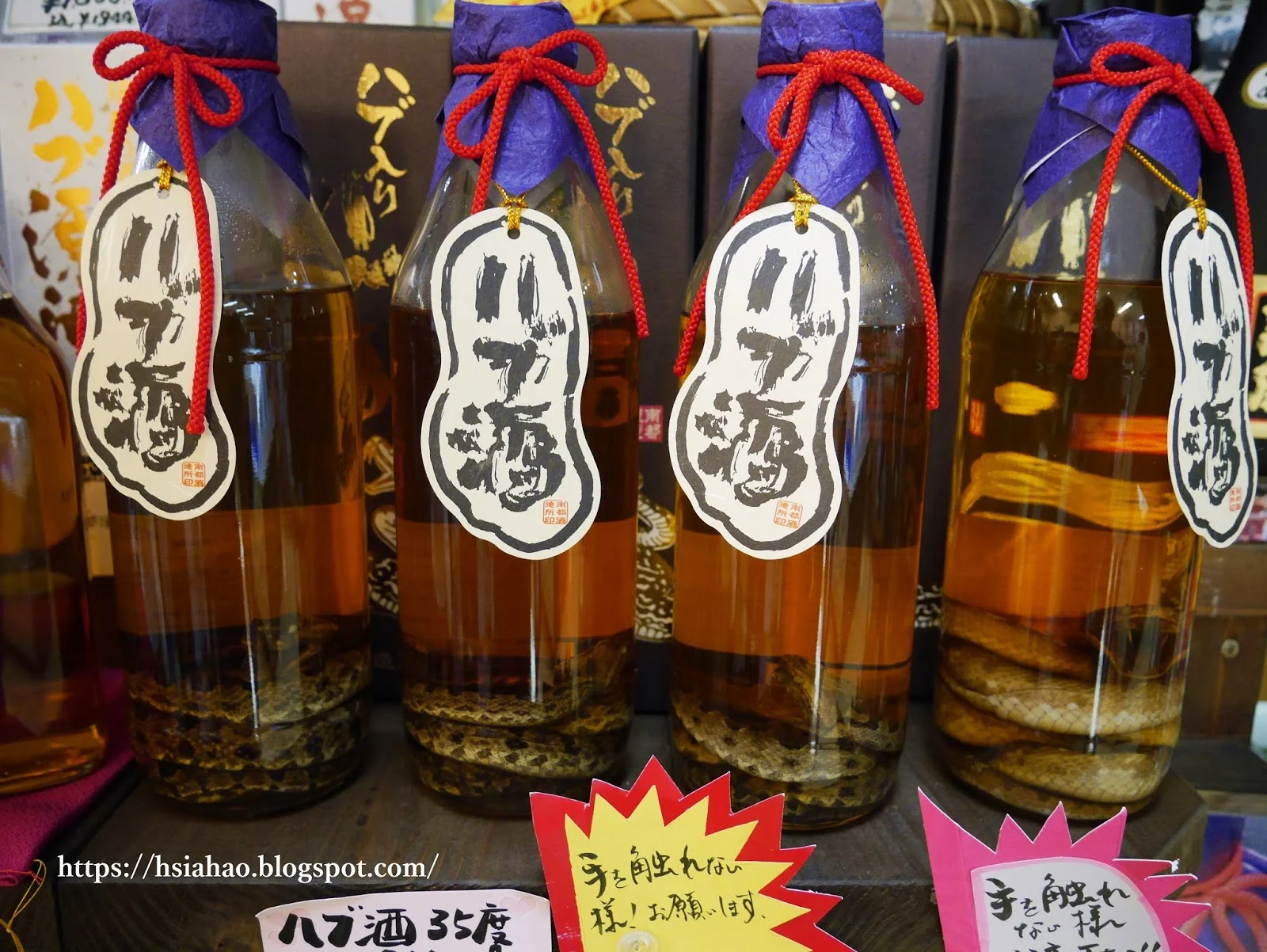
(This is Okinawa's famous Habushu, an awamori-based liquor infused with venomous habu pit vipers. You will also see exhibits on them at the Habu Museum Park and Ryukyu Mura. The owner humorously explained that un-infused awamori scores 90 points, but once the viper is steeped in it, it reaches absolute perfection, giving you uncontainable energy—complete with dramatic acting! [Later I discovered there is an actual commercial featuring that exact line!] He also joked that having a glass right before bedroom romance works wonders... though maybe he wasn't entirely kidding?)
5. Bios Hill (ビオスの丘 / Bios no Oka)
The ultimate destination for family day trips!
Bios Hill is situated just a short drive from Onna-no-Eki, and it is one of the top spots favored by local Okinawan families. The park encompasses an expansive subtropical forest and river network. "Bios" means "life" in Greek, and the park was conceived to allow visitors to reconnect with the rhythm of living nature, much like the spirit of Valley of Gangala. Inside, you'll find plenty of hands-on activities perfect for parents and kids, including water buffalo cart rides, jungle river cruises, and kayaking. In several peaceful corners, hammocks and wooden platforms invite you to lie back for an afternoon of pure natural relaxation!
♁ Address: 961-30 Kadekari, Ishikawa, Uruma City, Okinawa, Bios no Oka
♁ Transport: No direct bus service (the nearest stop is Nakadomari, which still leaves nearly an hour's walk). A taxi transfer from the nearest stop is necessary, making this spot best reached by rental car (Car Rental Guide)
♁ Admission: Adults (junior high and older): ¥900 (¥1,600) / Children (age 4 to elementary school): ¥500 (¥900) [Prices in parentheses include the guided boat cruise] (Discount Ticket 1 | Discount Ticket 2)
♁ Official Website: Bios Hill
♁ Find Accommodations: Booking︱Agoda︱Hotels︱Expedia (Compare Prices | Where to Stay)

(Even before stepping through the gates, the lush natural atmosphere greets you immediately—reminiscent of the Neo Park Okinawa & Yanbaru Subtropical Forest or Ryugujo Butterfly Garden, where flowers and plants flourish everywhere. The ticket area is beautifully decorated with cascading orchids to welcome arriving visitors.)

(Right past the entrance, you walk across a scenic elevated skybridge overlooking the canopy!)

(Here is the schedule board for the lake tour boat and water buffalo cart rides. Departures were more frequent than I had expected, which makes trip planning quite convenient.)

(At the lake tour boat dock, passengers board a comfortable vessel for a guided eco-cruise through the park's winding waterways. It offers an easy, relaxing way to take in Bios Hill's biodiversity, accompanied by staff dressed in traditional Ryukyuan costumes performing for guests.)


(Bios Hill features five open lawn plazas: Asobi-Utaa, Utai-Utaa, Odori-Utaa, Omoi-Utaa, and Agari-Utaa. Each zone showcases unique flora and botanical features, offering serene spots to unwind. The on-site restaurant also serves BLUE SEAL ice cream—just like you'll find at Cape Zanpa—which is the ultimate refresher on a warm day.)

(Many visitors lie leisurely in the hammocks, soaking up the gentle afternoon breeze!)


(In the center of the park lies a sprawling grassy meadow where friendly farm animals like goats and miniature pigs roam. Visitors can experience feeding them for just ¥100.)

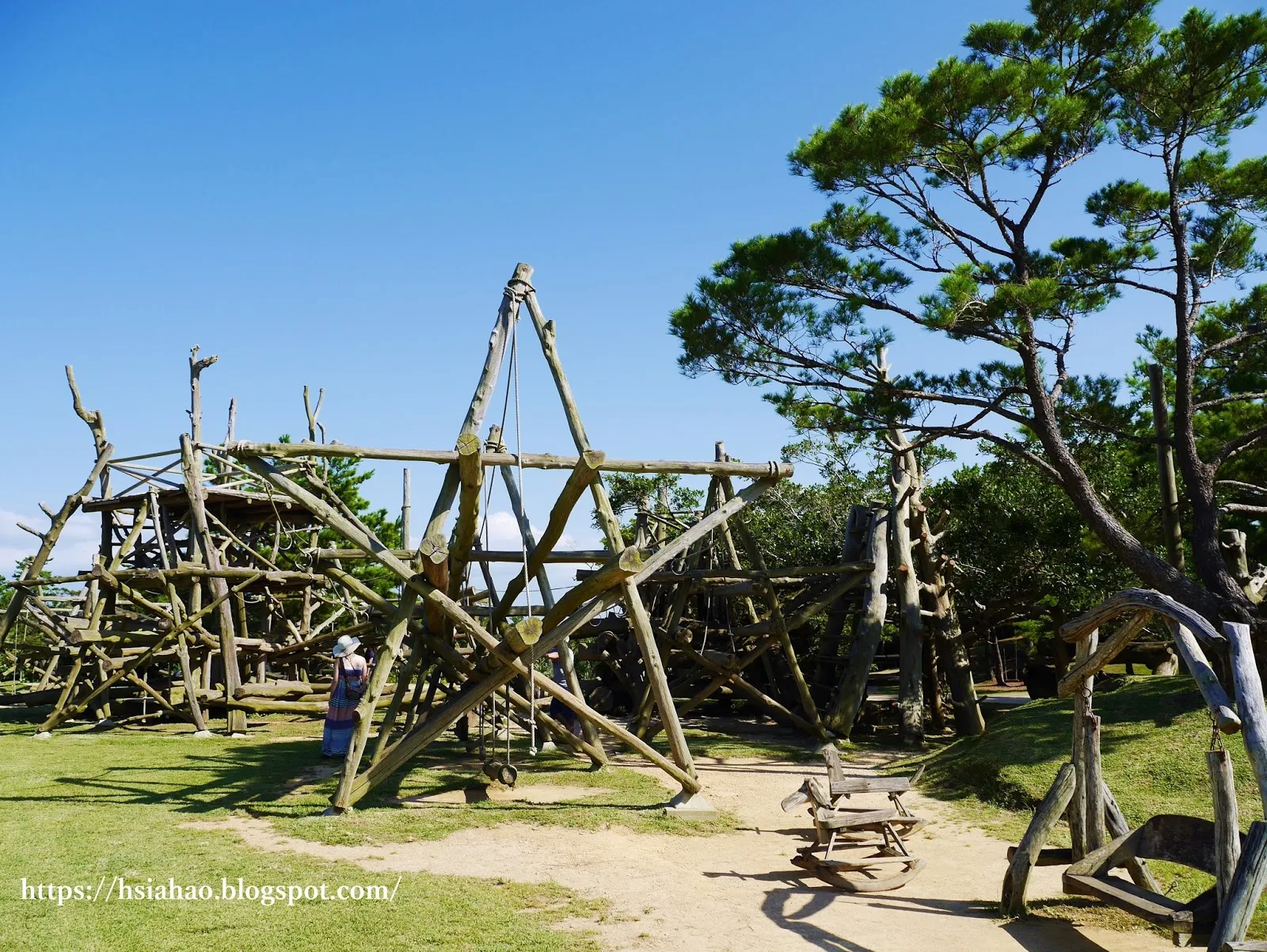
(Even the playground equipment is built from raw timber, blending seamlessly with nature and offering loads of fun for kids!)
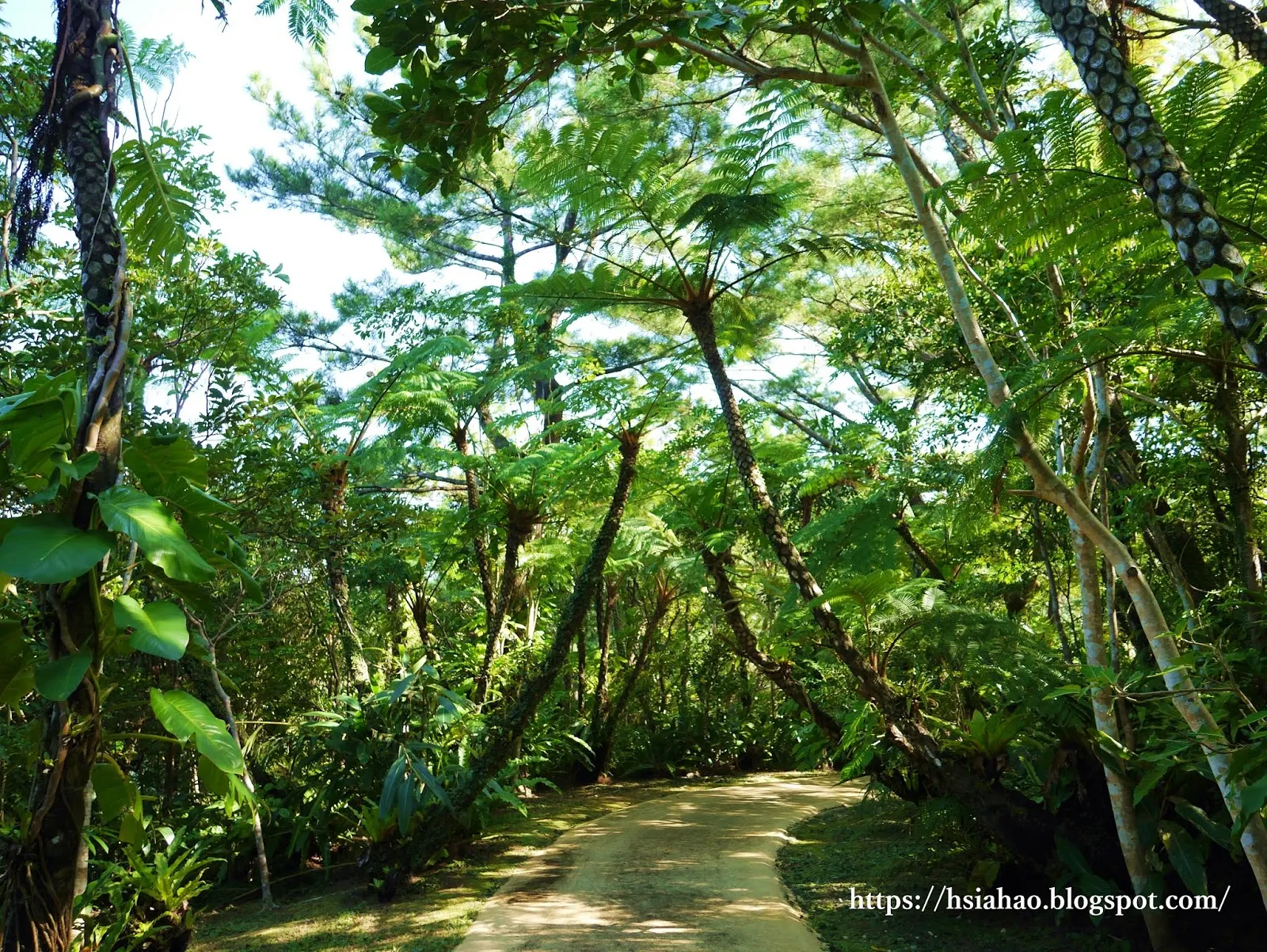
(This tree-shaded trail leads out toward the exit, where a souvenir shop awaits. Compared to larger tourist attractions, the gift shop inventory here is relatively modest, so you might prefer saving major souvenir hauls for dedicated specialty centers.)

Finally, we spent our nights at "Okinawa Guest House Fushinuyauchi" in Yomitan Village. The owner told me that *Fushinuya-uchi* means "shooting star" in the Okinawan dialect. The facilities and atmosphere are genuinely among the best I have experienced in any hostel. On top of that, the host is incredibly welcoming, works as a licensed scuba diving instructor, and is even studying Traditional Chinese! We shared several wonderful evenings together, meeting travelers from every corner of the globe beneath a night sky glittering with stars. It became one of my all-time favorite guesthouses. After bidding farewell, I continued northward on my journey, eagerly hoping for the day our paths cross again!